
Content is not just text; it is the language of the entire e-commerce chain

The Importance of Content:
The E-Commerce Backbone From Product Page to Warehouse

In e-commerce, the product never makes physical contact with the customer. The only things the customer sees are visuals, texts, and information explaining processes. Meaning content is not just marketing; it is the shared operational language of distribution, warehousing, fulfillment, and sales. When it is incorrect or incomplete, the entire chain breaks.

Conceptual visual showing content flowing through different stages of the e-commerce chain
Content exists in every link of the e-commerce chain: product page, stock management, customer communication, and brand positioning.

1. Content is the shared language of e-commerce operations

When people hear “content,” they often think only of “product descriptions” or “blog articles.” In reality, content is a complete information architecture extending from product page texts to SKU definitions used in warehouses, to technical data sent to marketplaces.

  • In distribution: product positioning, category selection, brand story.
  • In warehousing: SKU, size, weight, risk class, packaging instructions.
  • In fulfillment: order, label, address, shipping and return workflow data.
  • On the product page: visuals, text, technical data, certifications, value explanation.

If content is weak in any link of this chain, operations, sales, and customer experience automatically weaken.

Content is not a draft text; it is your company’s operational and commercial memory.
Visual symbolizing the relationship between marketing budget and content quality
Weak content can invalidate even well-planned marketing campaigns; cost goes up, results do not.

2. Content is the multiplier—or limiter—of marketing cost

Spending money on ads is not the solution alone. Ads bring the customer to the door; content is what gets them inside. If the content is weak, the budget you spend is wasted.

What does strong content achieve?

  • Converts incoming traffic into sales at a higher rate.
  • Reduces returns caused by wrong expectations.
  • Increases average selling price through a stronger brand perception.
  • Boosts organic visibility, reducing reliance on paid ads.

The bad news: increasing ad spend without fixing content simply means burning more money.

Marketing performance is not just media planning; what the visitor sees on your page is equally critical.
Conceptual visual explaining content architecture in market entry strategy
When entering the European market, first impression comes from content quality—not product quality.

3. Content as the backbone of market entry strategy

New country, new market, new audience… In such cases, the first thing that speaks is not the product, but the content describing it. Especially in Europe, weak content signals an “unprepared brand.”

What does strong content solve in market entry?

  • Repositions the brand story for local expectations.
  • Standardizes product categorization for marketplace compatibility.
  • Centralizes technical, legal, and logistical data.
  • Creates a unified language across distribution, warehousing, and sales.

When content is missing, processes slow down—rejected listings, unapproved shipments, and misinformed customers become inevitable.
The wrong content is as risky as the wrong business partner in a new market.
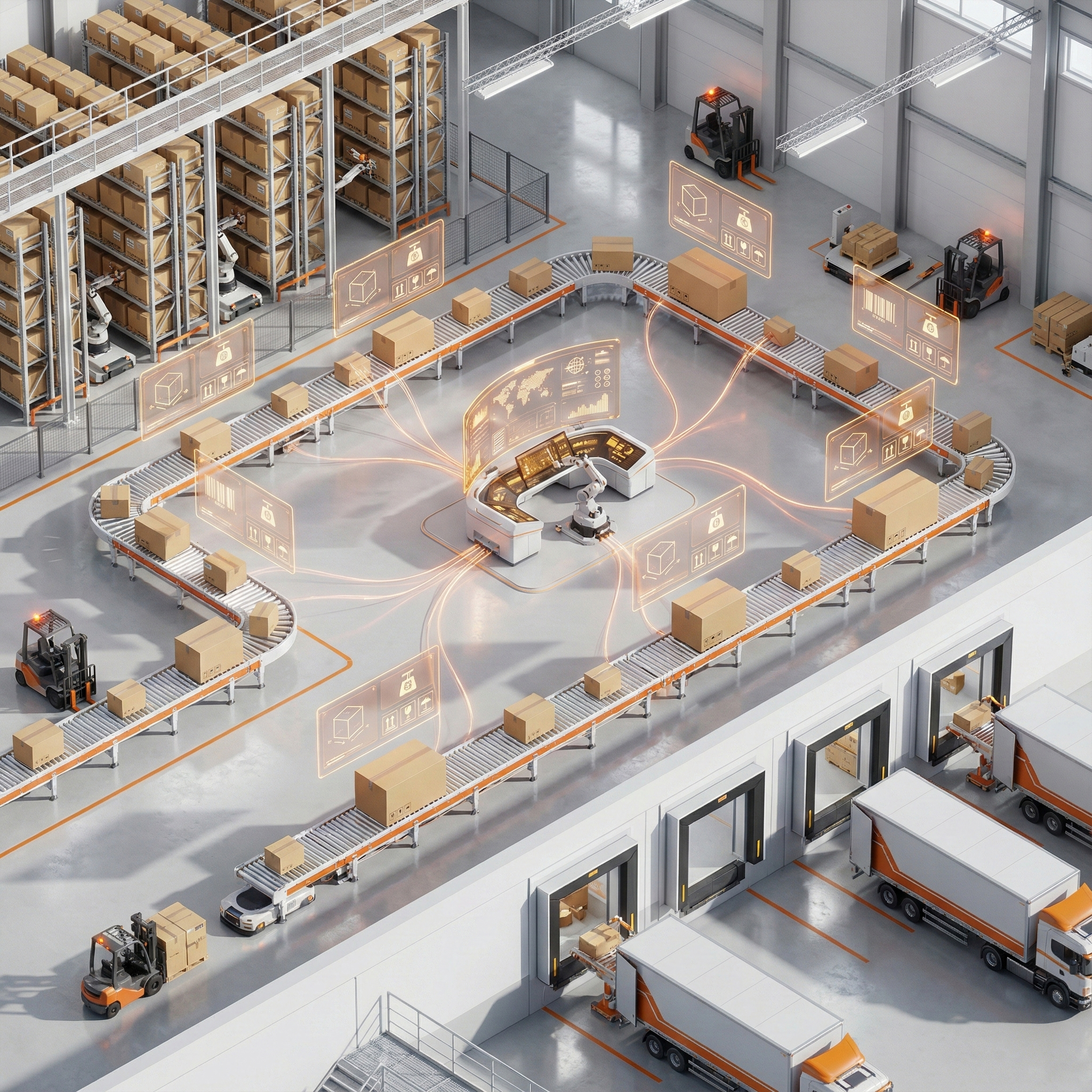
Conceptual visual showing data flow between warehouse, fulfillment and product pages
When warehouse, fulfillment and marketplace channels are not fed by the same content set, errors and costs increase.

4. The invisible link between content and the supply chain

Content is not only external-facing; it is also the internal data source. Wrong measurements in the warehouse, wrong SKU in fulfillment, wrong title on the marketplace… The root cause is always the same: broken content architecture.

  • Correct content → correct labeling → correct warehousing → correct shipment.
  • Wrong content → wrong order, wrong product, wrong packaging → extra cost.

If the supply chain is not connected to content, operations run on “guesswork.” Guess-based operations do not stay profitable long-term.

Fixing content is often the fastest way to eliminate chronic errors in warehouse and fulfillment processes.
Customer shopping confidently thanks to consistent product page content
When every piece of information confirms the other, trust forms—and trust converts into sales.

5. How content shapes customer experience and trust

Customers look at photos, titles, bullet points, descriptions, and reviews. If all tell the same story, trust is formed. If they don’t, doubt begins.

  • Visuals show the use case; texts explain the details.
  • Technical data clarifies expectations.
  • Clear content reduces unnecessary questions and returns.

Trust is not something “felt” in e-commerce; it is a process built step by step through content.

Content does not say “buy or don’t buy”; it says “I give you all the information to make the right decision.”
Warehouse and fulfillment processes running with standardized product data
Standardized content minimizes errors in warehousing and fulfillment and enables scalability.

6. Content standardization for warehousing and fulfillment

What operates inside a warehouse or fulfillment center is not the product, but the product’s data. Dimensions, weight, packaging rules, barcode, SKU, warnings… They are all content. If not standardized, processes constantly produce problems.

Well-structured content:

  • Clarifies stock tracking.
  • Reduces shipment errors.
  • Keeps operational costs under control.
  • Makes adding new products much faster and safer.

In short, without fixing content, expecting long-term efficiency in warehouse or fulfillment is simply not realistic.

Warehouse shelves are essentially a reflection of your content quality.
Conceptual visual showing chaos caused by wrong content and order created by validated content
Wrong content triggers losses in sales, operations, and brand reputation simultaneously.

7. The real cost of wrong or missing content & Grexon’s role

Content is often postponed with the thought “we’ll fix it later.” In reality, the bill is heavy:

  • Rejected listings, unapproved shipments, incorrect deliveries.
  • High return rates, negative reviews, weakened brand perception.
  • Rising marketing costs, falling conversions, declining rankings.

This is where Grexon steps in. We approach content not as “copywriting,” but as a complete e-commerce architecture:

  • Product content, photography, and text creation
  • Repositioning for e-commerce distribution
  • Data standardization for warehousing and fulfillment
  • Marketplace-specific content adaptation
Fixing content often means lifting your entire e-commerce structure to a new level. This is where Grexon comes in.

It’s time to turn content into a lever—not a cost

Content is not filler text; it is the shared infrastructure of operations, marketing, and brand identity. When your product pages, warehousing processes, fulfillment structure, and marketplace strategy align on the same content backbone, you achieve higher performance with lower cost. At Grexon, we architect, operate, and optimize this structure end-to-end— from distribution to warehousing, fulfillment, and professional product content.