
In the European market, returns are a natural part of sales. The “we’ll manage it from TR” mindset melts margins through longer return cycles, higher operational load, and platform risk. This guide explains how to set up returns management locally in Europe, which model to choose, and the measurable cost of trying to run it from Turkey.

In Europe, returns are “normal.” Customers return items; marketplaces treat this as part of the experience. Your job isn’t to try to prevent returns — it’s to manage them fast and under control.
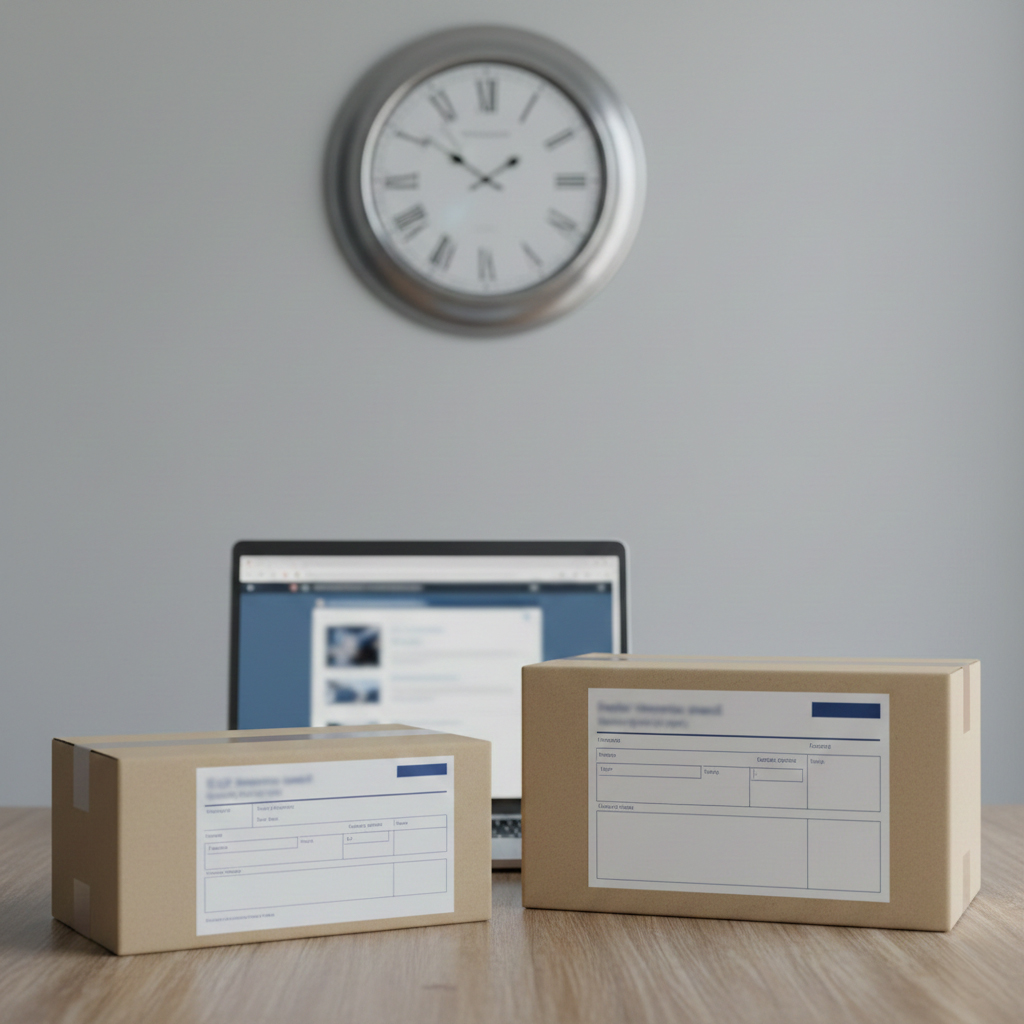
“We’ll manage it from TR” looks cheap at first glance because the costs don’t appear in a single line. In reality, cost per return scales with time, and some damage shows up not on invoices but in lost sales.

A solid returns system doesn’t end with receiving the parcel. The returned item must have a clear destiny: resell, discounted resale, parts completion, or disposal. This decision must be standardized and evidence-based.
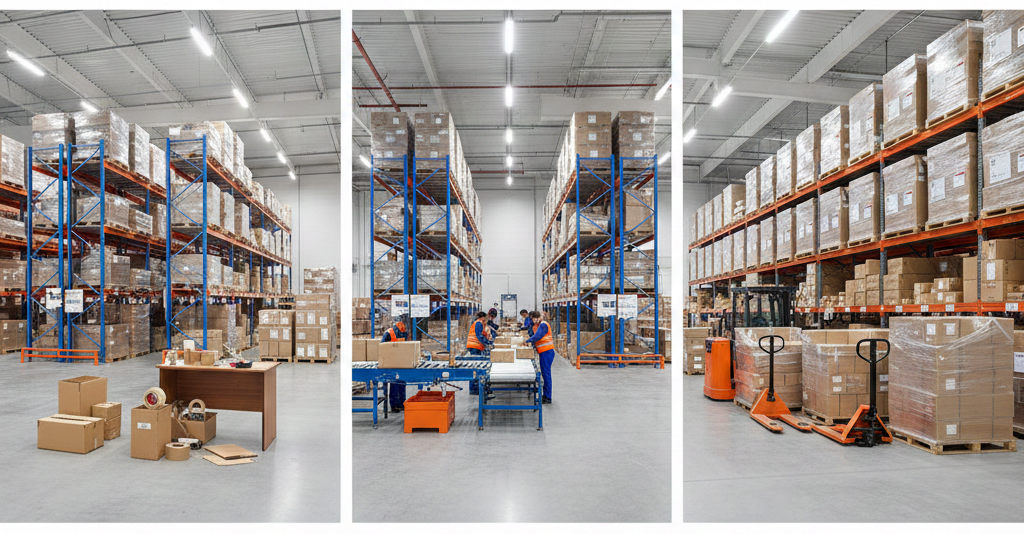
There is no single “correct” setup. Choose the wrong model and returns either become expensive or slow. These three models are the most common in practice.

If you think return cost is just “shipping,” you’re missing the real picture. The real cost is labor, decision time, and resale loss. You can’t manage pricing and margin without knowing unit cost.

Mistakes often look small, but their impact is huge — because a returns mistake produces not only cost, but also rating and visibility loss.

If returns management in Europe is not built locally, you’re not buying return cost — you’re buying lost sales, reputation loss, and operational load. A proper setup speeds up the cycle, increases the resale rate, and reduces platform risk.
Your monthly order volume, return rate, product type (fragile/electronics), package dimensions/weight, and sales channels… With these, we can clearly calculate cost per return, total monthly loss, and the best-fit model for you (local address / 3PL returns-QC / FBA + 3PL). Build a scalable process with Grexon.