
A bestseller is not “luck” — it’s CTR + CVR + low returns + consistent sales

How a Product Becomes an Amazon.de Bestseller: Visual & Listing Strategy (Case Study)

The DecoBella Schuhabtropfschale listing is a clear example of how to generate the signals Amazon’s ranking systems (A9/A10) reward — using visual hierarchy, clear value messaging, and risk-reducing content. Below, we break down the image sequence (1–7) and explain how it supports CTR, CVR, return-rate reduction, and use-case expansion.
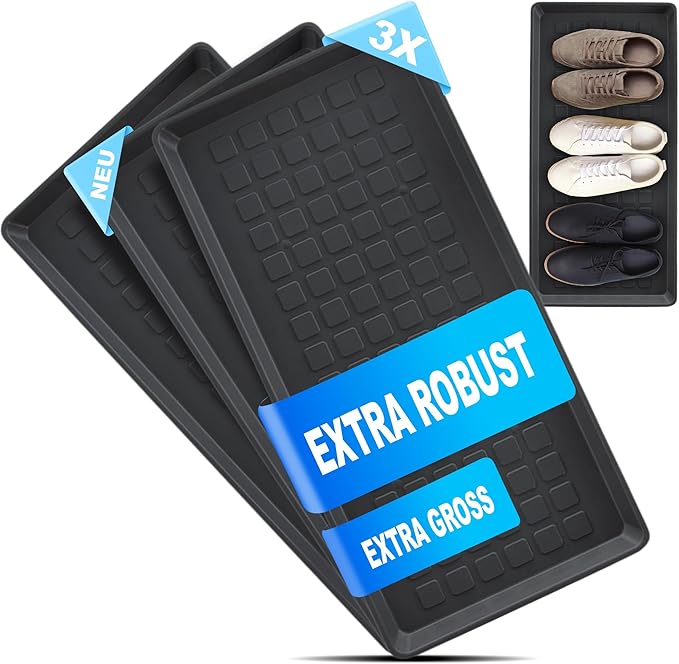
DecoBella shoe tray bundle image
1/7 — Bundle value + positioning: “3X / Extra Robust / Extra Large”.

1️⃣ First impact: Build value instantly with a bundle

This image exists to win the click

The first job is not to explain every detail — it’s to make shoppers feel this is more than “a plastic tray”. The bundle and robustness cues create immediate perceived value.
  • 3-pack message → stronger value perception and higher AOV
  • Robust cue → reduces price sensitivity (quality anchor)
  • Small usage preview → communicates the purpose in one glance
Critical: If the first visuals create questions, CTR drops. This one doesn’t.
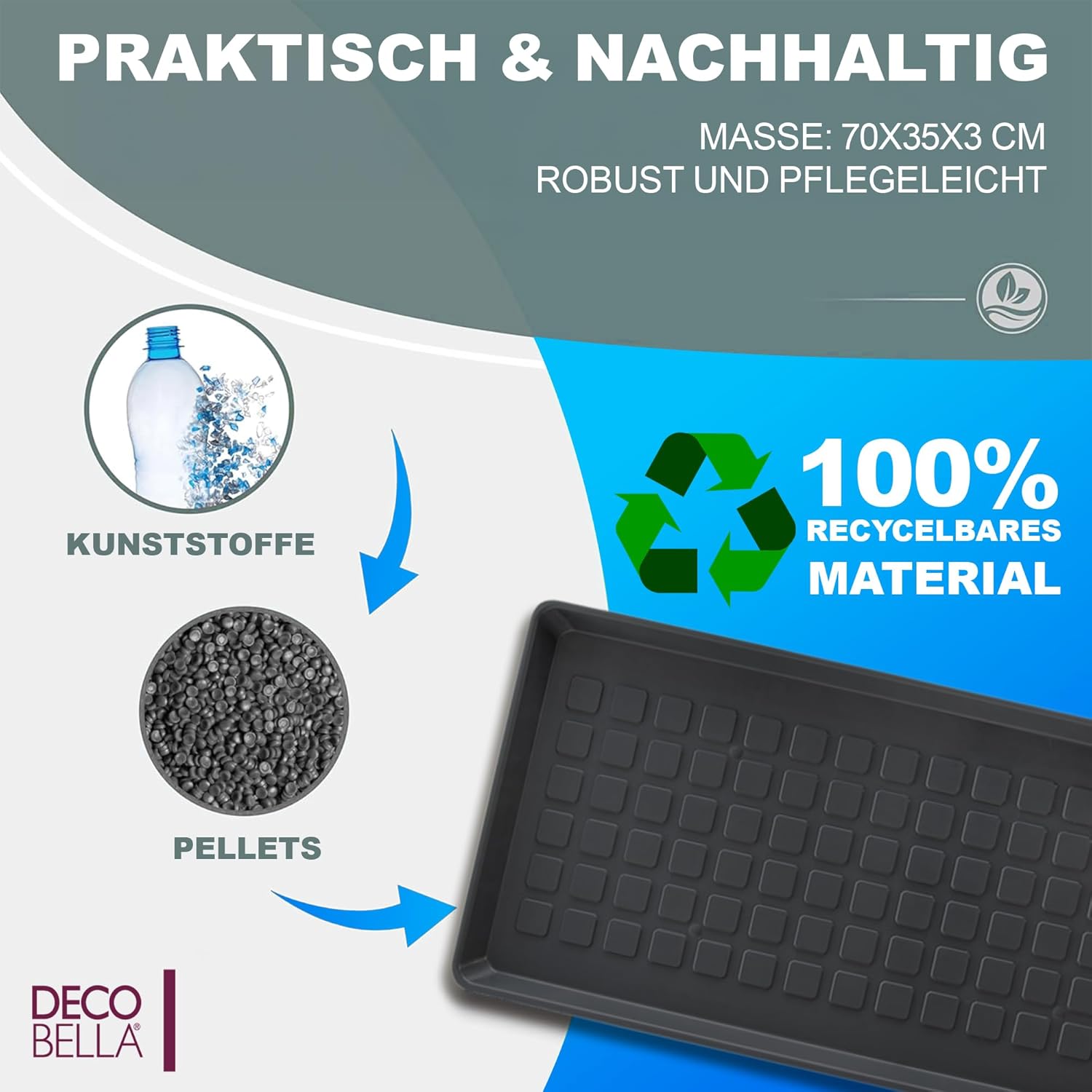
DecoBella recyclable material and size information
2/7 — Trust layer: size, easy cleaning, and recyclable material.

2️⃣ Trust building: Technical clarity + sustainability

In Germany, “recyclable” is a strong purchase driver

This image adds credibility: clear dimensions, easy maintenance, and a sustainability cue that resonates strongly with DE consumers. It also reinforces size expectations early.
  • 70×35×3 cm → reduces size-related dissatisfaction and returns
  • Easy to clean → removes “will this be annoying?” objections
  • 100% recyclable → adds value beyond pure function
Algorithm reality: Lower return rate and fewer negatives strengthen performance signals.
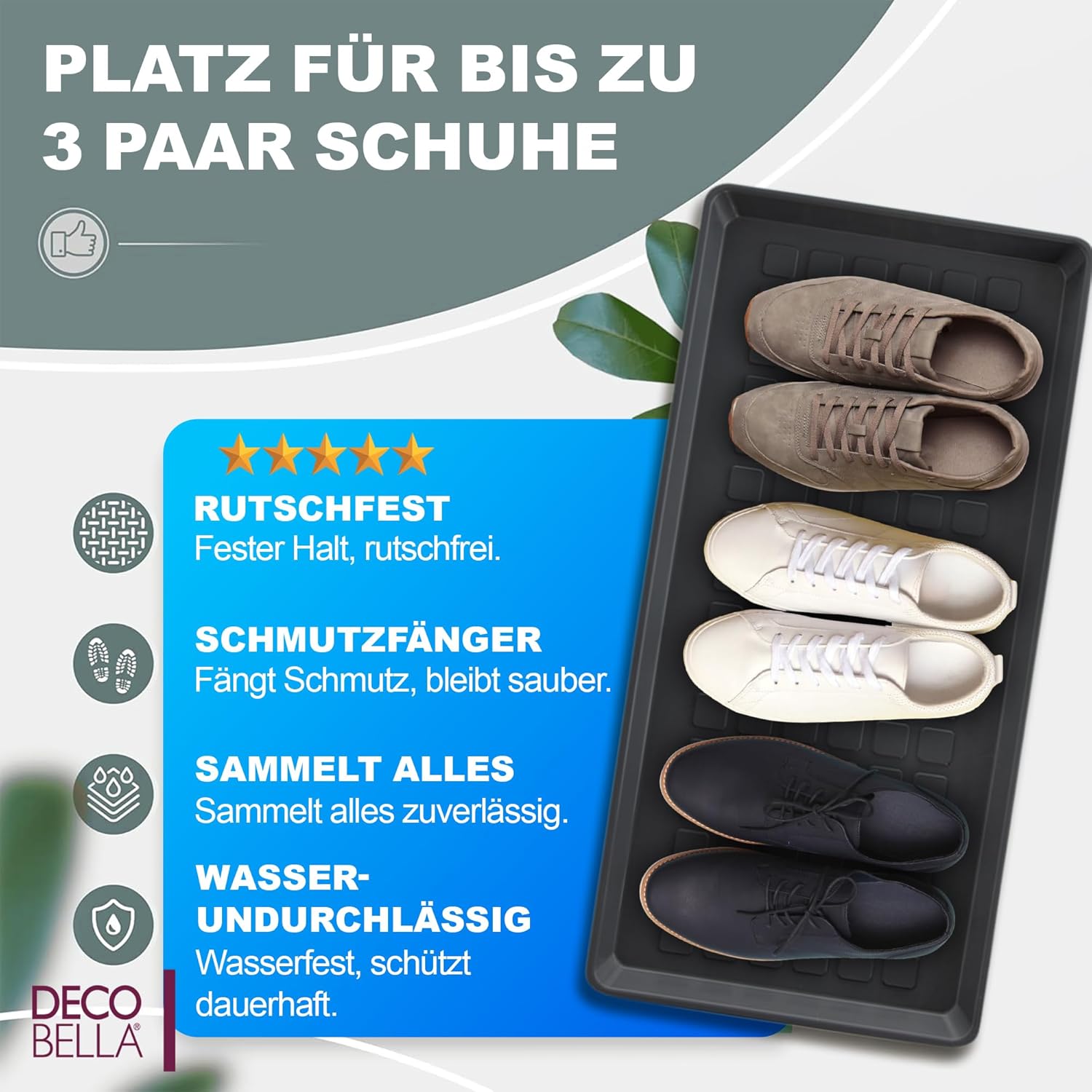
DecoBella benefit list image
3/7 — Conversion booster: benefits delivered in fast, scannable blocks.

3️⃣ The CVR engine: Sell outcomes, not features

Faster clarity = higher conversion

This image is built for decision speed. Amazon shoppers scan. Benefit blocks shorten the evaluation time and turn “maybe” into “add to cart”.
  • Non-slip → stability and safety
  • Dirt catcher → the core problem solved
  • Collects everything → covers water, mud, soil, debris
  • Water-resistant → the main promise stated clearly
Bottom line: This image answers “why buy it?” in seconds.
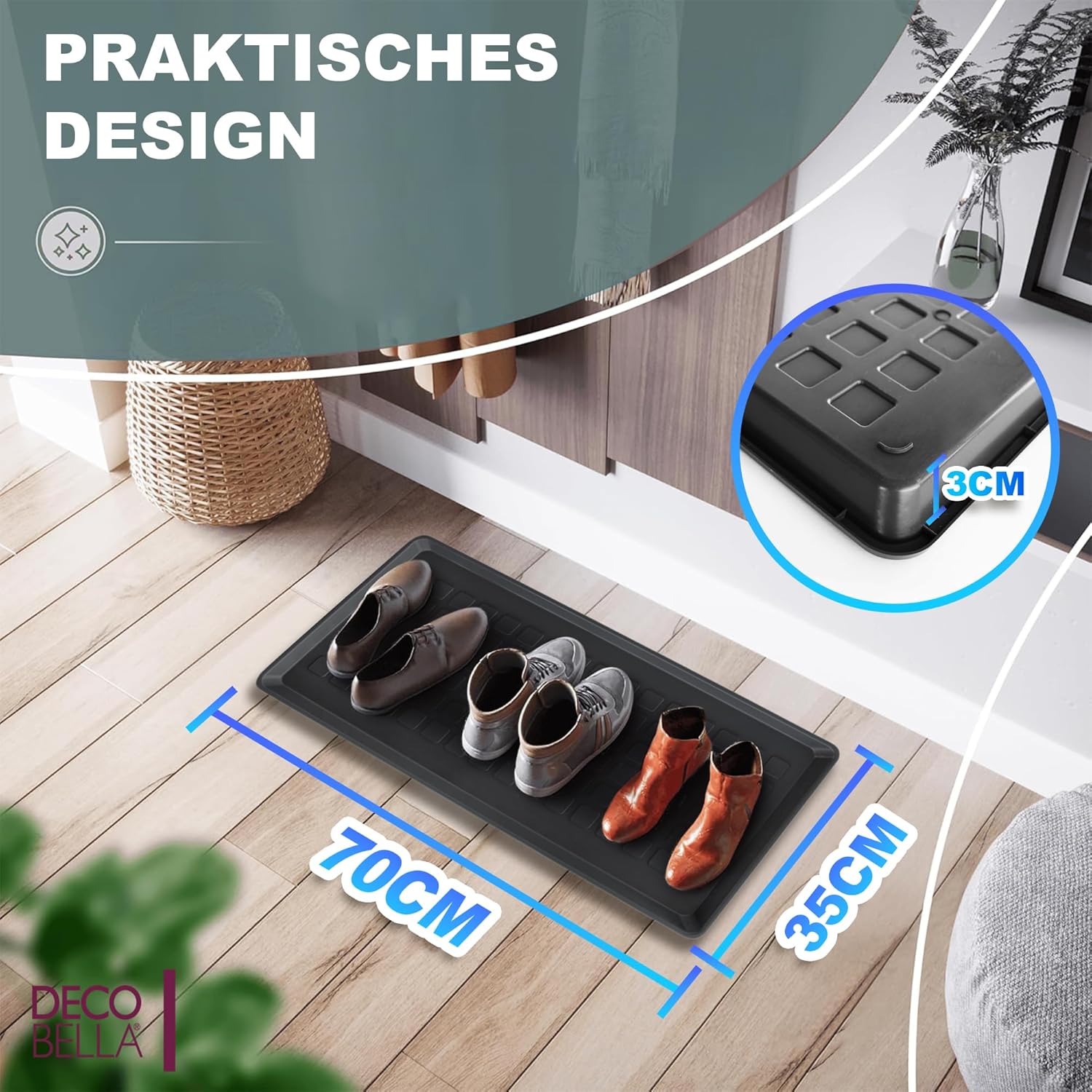
DecoBella dimension image
4/7 — Risk reduction: dimensions and 3 cm edge height visualized.

4️⃣ Cut returns: Show the dimensions visually

Prevent “too small / doesn’t fit” feedback before it happens

Writing dimensions isn’t enough. Visual sizing is one of the best return-rate reducers — it locks expectations and avoids surprises.
  • Length: 70 cm
  • Width: 35 cm
  • Edge height: 3 cm → addresses “will it overflow?” concerns
Amazon performance: Lower returns + fewer negative reviews = stronger ranking stability.
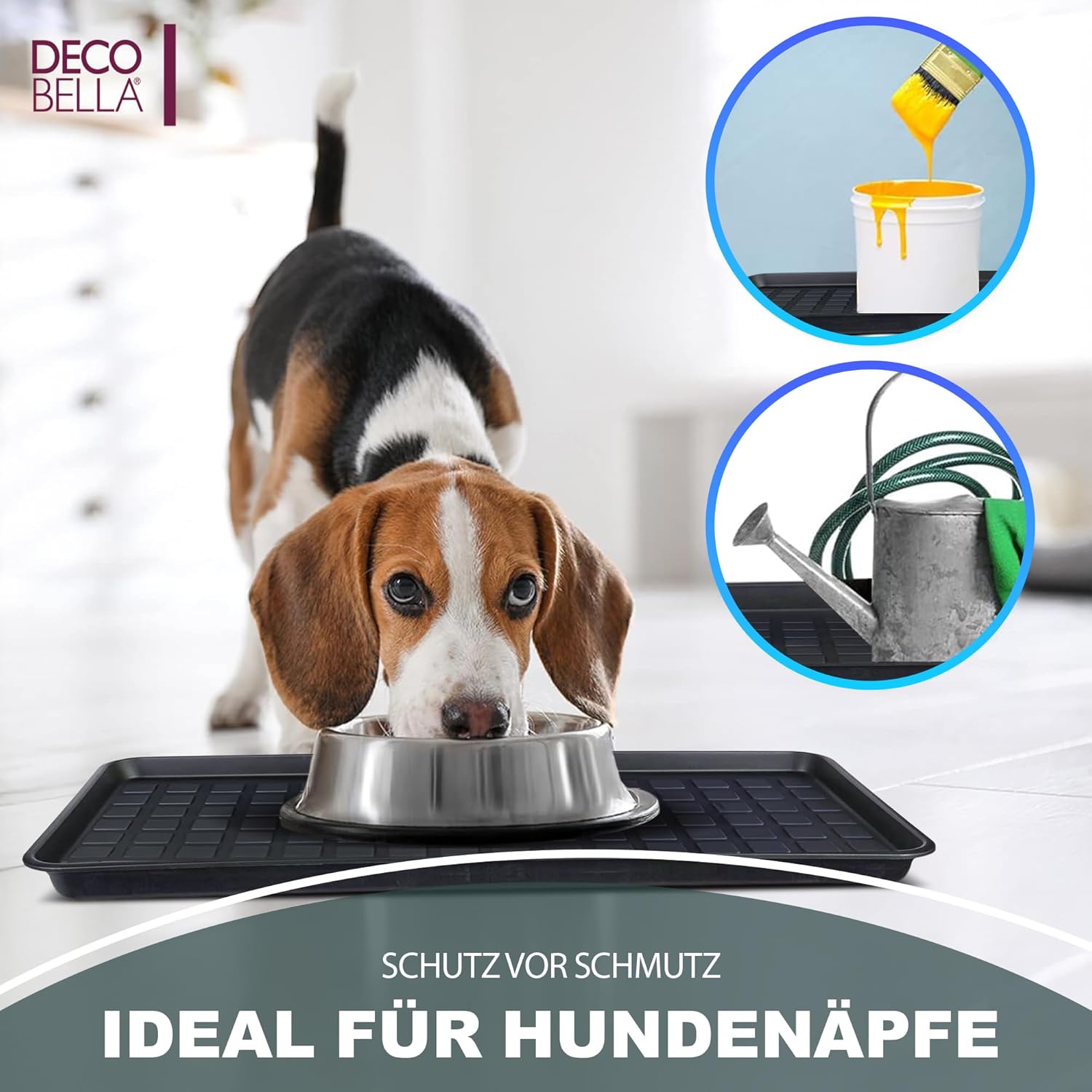
DecoBella pet bowl use case image
5/7 — Use-case expansion: pet bowl protection as an additional buying reason.

5️⃣ Expand the market: Pet-segment use case

One product, multiple audiences

This image moves the item beyond a “shoe tray” and into broader home-organization use cases — capturing more intent types and increasing listing resilience.
  • Pet bowls → taps into a high-frequency household need
  • Mess control aligns perfectly with the product promise
  • Cross-category relevance → more traffic opportunities
Strategy: The broader the valid use cases, the more stable the sales curve.
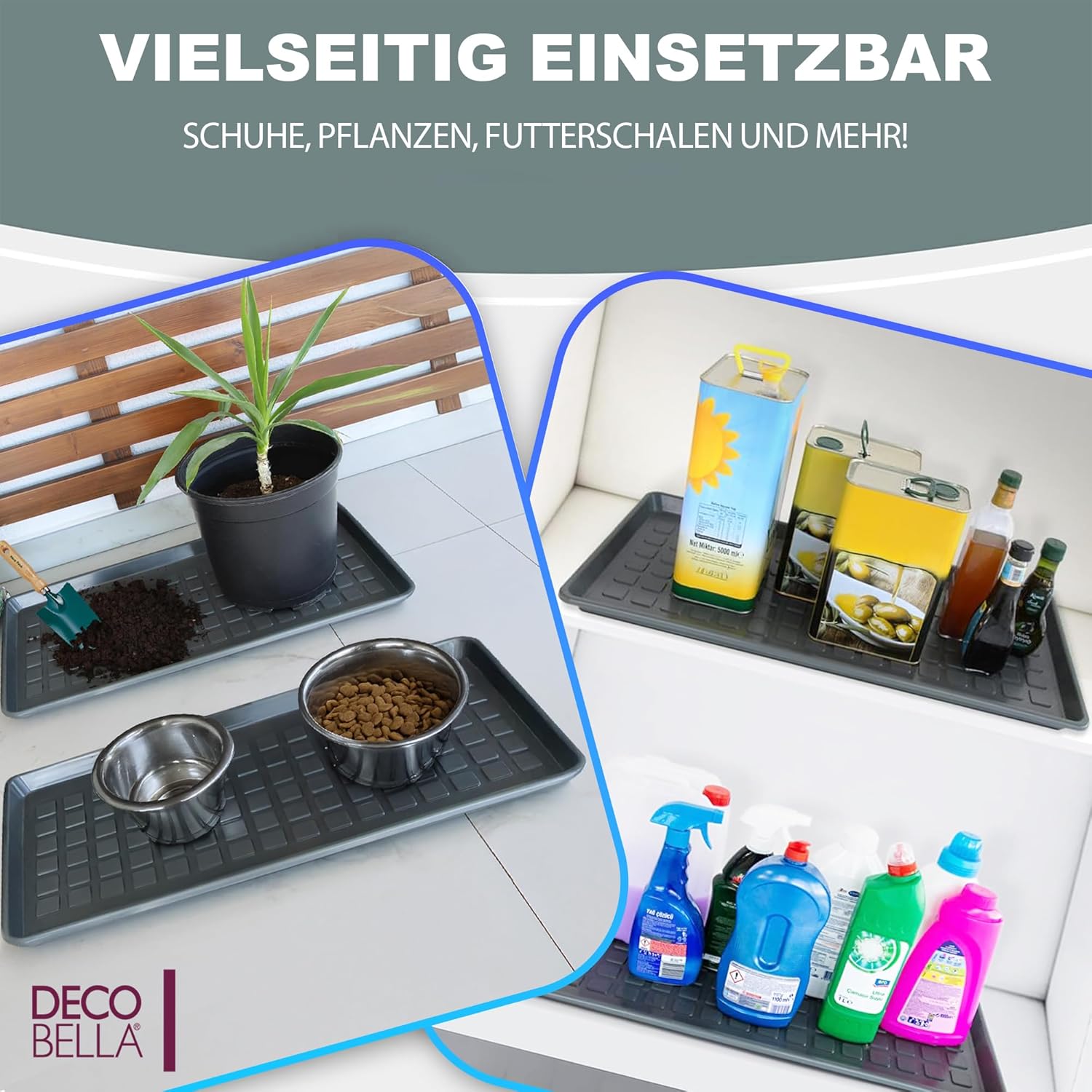
DecoBella multiple uses image
6/7 — Multi-purpose positioning: plants, cleaning products, storage organization.

6️⃣ Increase demand: Multi-purpose positioning

Search volume grows with use-case count

This expands the product into adjacent problems shoppers already have. Same item, more reasons to buy, and more keyword/traffic coverage.
  • Plants → soil/water capture and floor protection
  • Cleaning supplies → cabinet leak control + order
  • Shoes → core use case stays intact
Warning: Use cases must stay truthful and aligned with the core claim. These do.
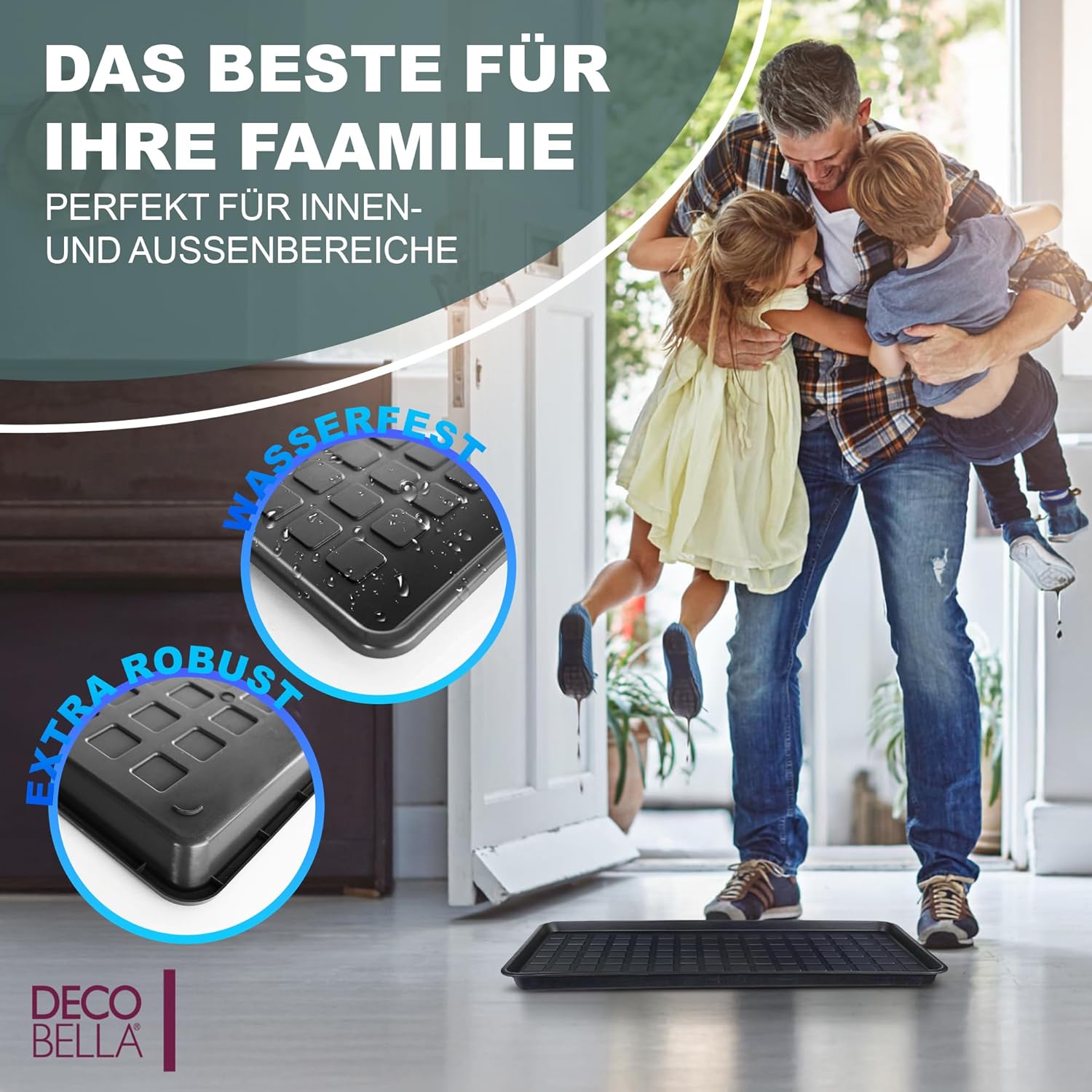
DecoBella lifestyle family image
7/7 — Lifestyle + emotional anchor: “family / indoor-outdoor / water-proof”.

7️⃣ Brand perception: Lifestyle imagery builds relatability

Make shoppers see it in their own home

Lifestyle images don’t add specs — they add context. In competitive categories, that context improves both CTR and CVR because the buyer can instantly imagine the product in real life.

  • Indoor & outdoor cue → broader relevance
  • Close-up detail supports waterproof/robust promise
  • Family scene reinforces the “clean home” motivation
Result: The right balance of technical clarity + lifestyle context improves conversion.
Amazon image checklist
Checklist — Are your images designed for CTR, CVR, and low returns?

✅ Fast Checklist: Are your images sales-ready?

If any answer is “no”, you’re losing revenue

  • Does image #1 communicate value + differentiation in 2 seconds?
  • Do you show dimensions visually (not only in text)?
  • Are claims translated into benefits (problem → solution)?
  • Do you expand use cases while staying truthful to the core promise?
  • Do you include lifestyle context to improve relatability?
  • Does each image have one job (clicks / persuasion / risk reduction / expansion)?
  • Do you avoid repeating the same message across multiple images?
Grexon standard: Every image must justify its slot in the sequence.

🔗 Conclusion

This DecoBella example proves a simple point: Amazon bestsellers are built, not discovered. The image sequence first wins the click, then drives fast persuasion, then reduces purchase risk, and finally expands the product’s market through valid use cases. When this system is executed well, Amazon’s algorithm rewards performance.

The blunt truth: On Amazon, systems win — not “pretty designs”.
Disclaimer: This content is for informational purposes only and is not legal/financial advice.

Build a bestseller-grade image system

We design your listing image sequence to increase CTR, improve CVR, reduce returns, and expand valid use cases — aligned with Amazon.de buyer behavior and marketplace rules. The goal is not “nice images”. The goal is measurable performance.