
FBA Management: Errors, Costs, and a Profitable Scaling System

FBA Management:
A System That Leaves Profit — or Silent Loss?

FBA is not “sending products to Amazon’s warehouse.” FBA is about having components like inventory planning, shipping cost, size/fee management, storage duration, and returns work together as one system. Poor setup turns FBA from an advantage into a cost multiplier.
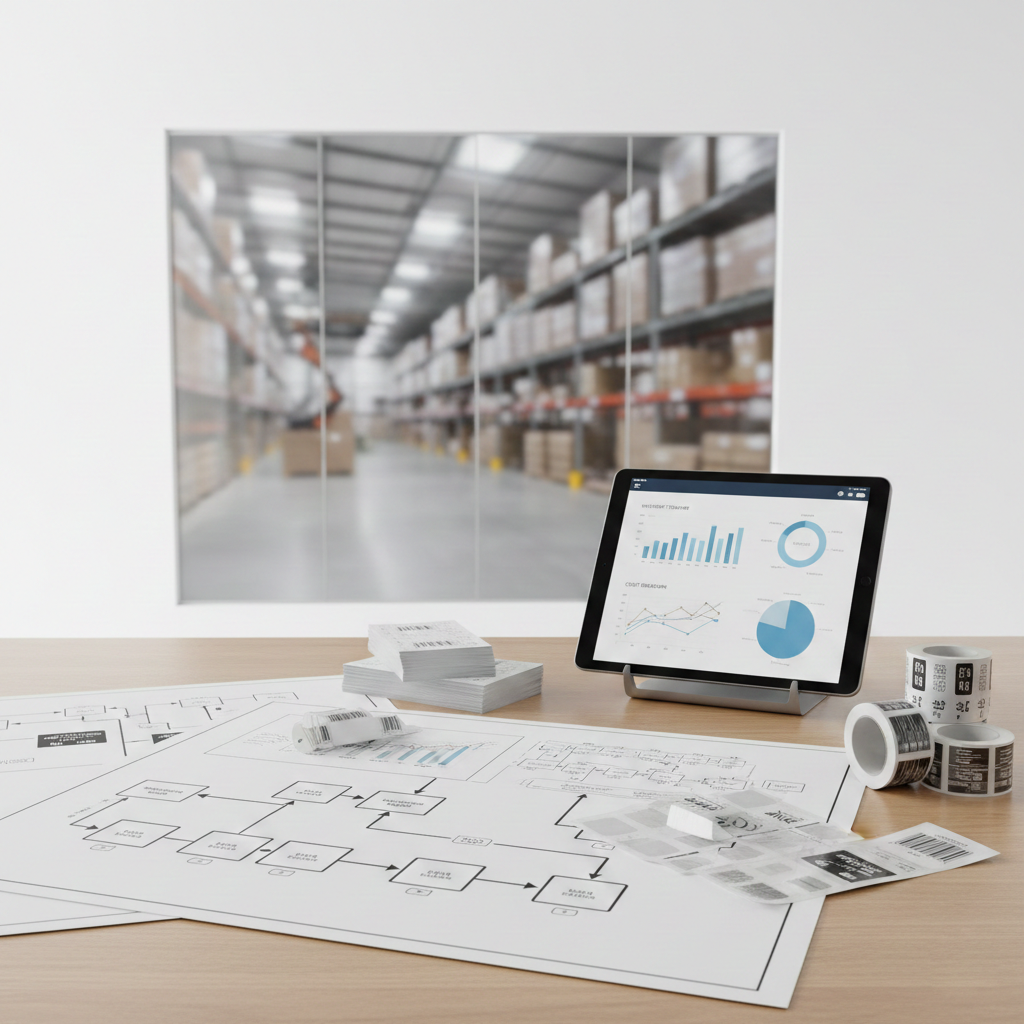
FBA is not a single step; it’s an end-to-end managed system.

1. What Is FBA Management? (The Real Definition)

FBA management is not just shipping products. It means managing every component that determines cost and profitability before you even start selling. Otherwise, FBA generates silent losses through hidden expenses.

  • Inventory planning and turnover speed
  • FBA inbound (warehouse intake) plan
  • Size/weight tier and fee control
  • Storage duration and return costs
Short truth: FBA scales when managed correctly; when managed poorly, it prints losses.
FBA isn’t for every product—it's logical for the right product at the right time.

2. When Does FBA Make Sense?

The mindset “I can’t make it without FBA” is flawed. FBA is a powerful lever under the right conditions; under the wrong ones, it burns budget.

  • Stable sales velocity (predictable demand)
  • Fee structure that preserves profitability (margin stays strong)
  • Low return rate (critical especially for fragile/incompatible products)
  • Small-to-medium size, or products that can be packaged efficiently
FBA is not a requirement; it’s a tool used at the right time.
The biggest losses don’t come from sales— they come from poor management.

3. The Most Common Mistakes in FBA

These mistakes look “small,” but as you scale, they cut profitability directly.

  • Inventory blindness: Bulk shipments without checking sales velocity
  • Underestimating storage time: The longer it sits, the higher the cost
  • Misreading size classification: What you think is “Small” ends up “oversize”
  • Not accounting for returns as cost: Returns = two-way costs + processing fees
  • Assuming FBA = automatic profit: If ops and content are weak, FBA collapses too
The harsh truth: In FBA, losses often accumulate “without you noticing.”
FBA cost is not one line item: the real picture is total cost.

4. Factors That Affect FBA Cost

Those who think FBA cost is only the “fulfillment fee” are mistaken. Real cost comes from the entire operation.
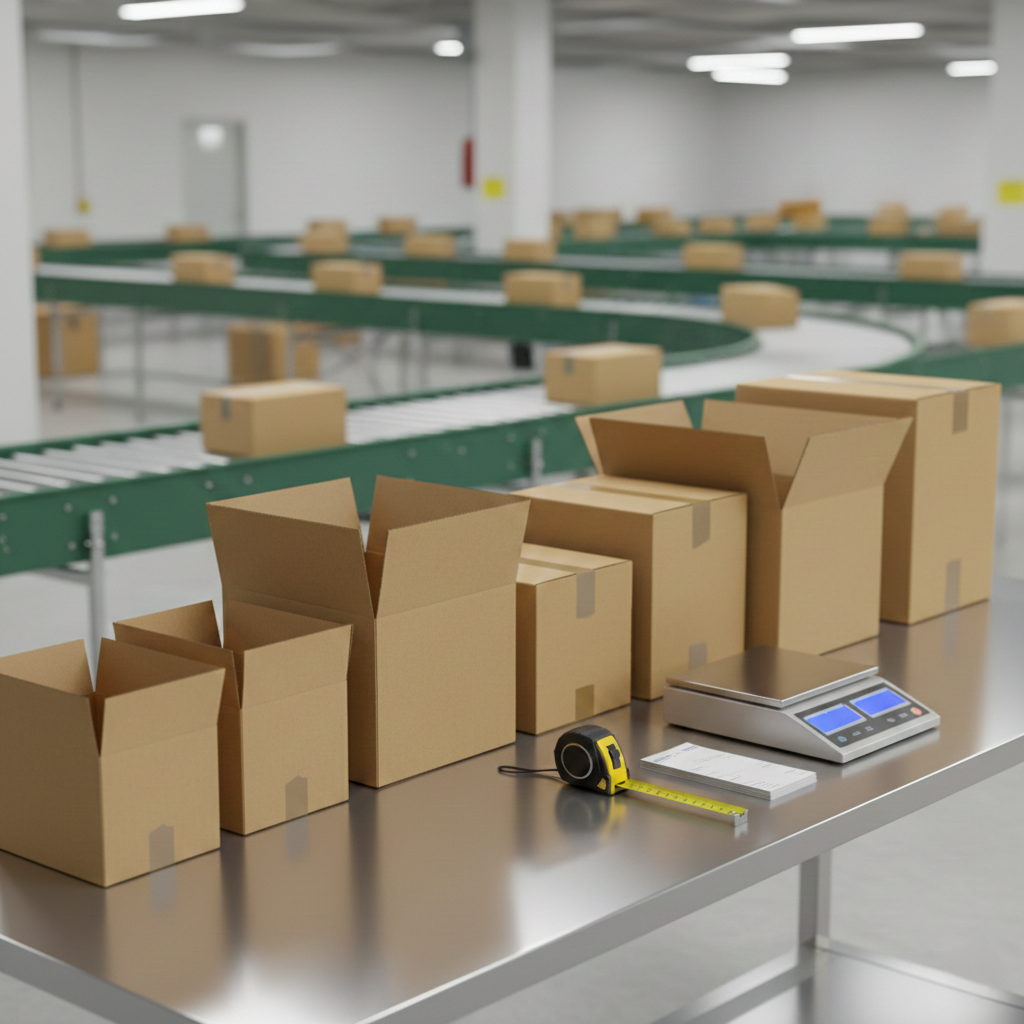
  • Product dimensions and weight
  • Time spent in storage (monthly + long-term storage)
  • Returns and repackaging processes
  • Inbound shipping cost (sending to Amazon warehouses)
  • Seasonal fee changes and peak-season impact
Key point: FBA cost is not fixed. If unmanaged, it rises every month.
If FBA shipping isn’t optimized, profit melts before sales even begin.

5. FBA Shipping: The Biggest Money Burner

Inbound logistics for FBA is an uncontrolled cost zone for many sellers. Without the right carton, the right plan, and the right consolidation, expenses balloon.

  • Wrong carton dimensions and inefficient volume usage
  • Overfilled / incorrect packing → damage & check-in issues
  • Unplanned express shipments
  • Warehouse receiving delays → stockouts
Reality: If shipping isn’t optimized, “FBA profit” ends before it starts.
For oversize products, FBA isn’t always the best model.

6. Oversize or High-Cost-in-FBA Products

Not every product has to go into FBA. For oversize, heavy, or low-margin products, a “single-model” approach is often wrong.

  • FBA fees can eat the product margin
  • Storage costs grow fast
  • Return costs get expensive
  • A hybrid model (partial FBA + partial FBM) can make more sense
Clear: FBA is not the only path for every product. The right model must be chosen.
Grexon builds FBA not as “shipping,” but as a “system.”

7. Grexon Is Here for This

We don’t sell “FBA for everyone.” We build the most profitable model based on your product and goals. Growth isn’t sustainable without controlling FBA shipping and cost items.

  • Product-level FBA suitability analysis
  • Inbound shipping planning and optimization
  • Alternative fulfillment for high-cost products
  • Managing operations + content standards together
Our approach: Not “FBA for everyone,” but “the right model for the product.”
Pre-FBA checklist: set it up right from the start—fixing later is expensive.

8. Quick Pre-FBA Checklist

If you can’t answer these clearly before switching to FBA, you’re at risk.

  • How many days does this product’s sales velocity take to sell out stock?
  • Does the total of FBA fee + inbound + storage + returns preserve margin?
  • Is the product size tier correct, and is your packaging aligned to it?
  • What’s the return rate and why? (Incompatibility, or quality?)
  • Is it seasonal? Is there a risk of sitting in storage?
Rule: You enter FBA not with excitement, but with calculations.
Fast action plan: stabilize cost, organize operations, then scale.

9. A 3-Step Action Plan for Profitable FBA

Don’t overcomplicate it. For profitable FBA, it’s enough to set up these three fundamentals cleanly.

  • 1) Stabilize cost: size/fee verification + inbound plan + storage time target
  • 2) Standardize operations: packaging, labeling, carton/pallet organization
  • 3) Grow sales: increase conversion with content, pricing strategy, and customer experience
The right order: Cost control first, then scale.
Conclusion: FBA isn’t an “easy way”—when set up right, it’s a strong growth tool.

10. Conclusion: FBA Management Is a Systems Game

FBA management is not shipping products, filling warehouses, or trusting Amazon and waiting. Profit comes when the right product + the right timing + the right logistics + the right operations come together.

  • FBA with the wrong product = a cost multiplier
  • FBA with the right product = a scaling engine
  • What determines profit isn’t “FBA,” it’s management quality
Clear: FBA is not automatic profit; it’s a correctly built system.

If you want to bring FBA cost under control

Grexon optimizes FBA shipping and the operational process end-to-end. For oversize or high-cost-in-FBA products, we build the right model together.