
European Marketplace Comparison: Reach, Category Strength, and Entry Barriers

European Marketplaces:
Which Platform Is Really Right for You?

Europe is not a single market. Each platform has its own unique dynamics: customer profile, seller density, category focus and, most importantly, the level of entry difficulty. An unplanned entry burns budget; a strategic entry scales.

Europe is a huge market—but opportunity appears where platform and category match.

1. Why Are European Marketplaces Critical?

Europe offers high purchasing power, advanced logistics infrastructure, and strong marketplaces. But success doesn’t come from “entering Europe”— it comes from choosing the right platform.

  • 500M+ active consumers and high average basket values.
  • Category-based market leaders (not every platform fits every product).
  • Competition levels vary dramatically from one platform to another.
  • The ROI gap between the wrong and the right platform choice can reach up to 10x.
Quick truth: Not all platforms are the same. Growth doesn’t happen in the wrong place.
Amazon offers the biggest volume—and the toughest competition.

2. Amazon (Europe): The Biggest Market, The Highest Competition

Amazon is the first stop for many sellers. But high traffic also brings high competition and high costs.

  • Category strength: Electronics, Home & Kitchen, Beauty, Baby, Outdoor.
  • Advantage: Maximum visibility and strong customer trust.
  • Risk: PPC costs, price wars, fast copyability.
  • Entry difficulty: ★★★★★
Success on Amazon isn’t luck; it’s the result of content, operations, and data discipline.
eBay runs on price, condition, and product variety.

3. eBay (Europe): Flexible, but Price-Driven

Unlike Amazon, eBay reflects the pure “marketplace” logic more clearly. With structured listings and the right pricing, stable sales are possible.

  • Category strength: Electronics, refurbished items, spare parts, collectibles.
  • Advantage: Relatively easy entry, lower content barrier.
  • Risk: Margin pressure and intense price comparison.
  • Entry difficulty: ★★☆☆☆
On eBay, winners aren’t “storytellers”—they’re the ones who set up the system correctly.
OTTO is more selective—but its audience is typically higher-quality.

4. OTTO (Germany): Premium and Selective

OTTO holds a strong position in Germany. Especially in home, furniture, and lifestyle, it offers serious potential.
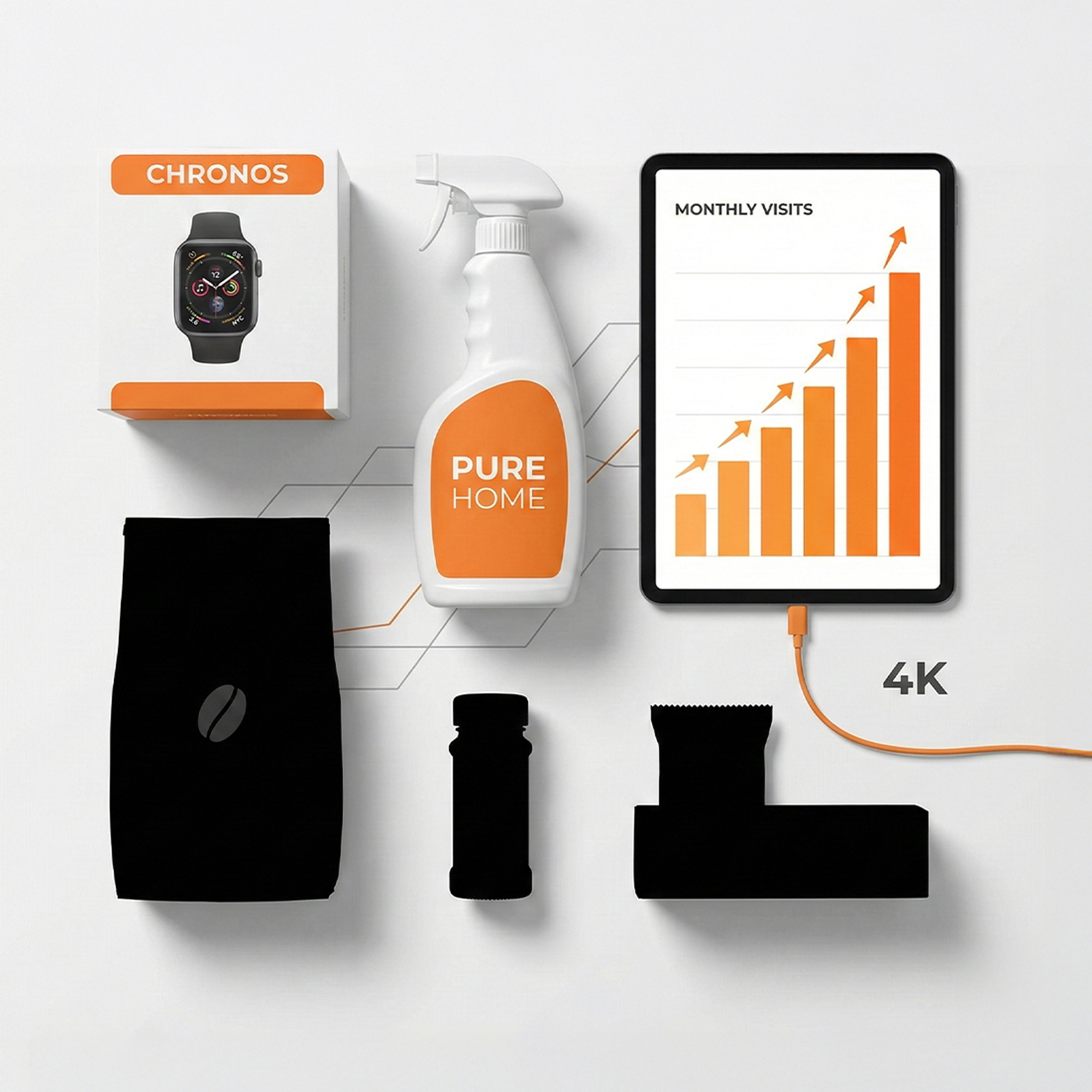
  • Category strength: Furniture, home decor, fashion, living products.
  • Advantage: More controlled competition, strong German customer base.
  • Risk: Selective onboarding and higher seller expectations.
  • Entry difficulty: ★★★★☆
Getting into OTTO is hard—but with the right product, it enables sustainable growth.
Kaufland.de can deliver fast volume with a broad product range.

5. Kaufland.de: Fast Entry, Broad Audience

Kaufland.de is a Germany-based marketplace that can scale quickly. It’s often a sensible starting point for mainstream products.

  • Category strength: Household, electronics, everyday consumer goods.
  • Advantage: Fast onboarding, broad visibility.
  • Risk: Price competition, weak USPs get squeezed out.
  • Entry difficulty: ★★☆☆☆
Kaufland brings volume; profit requires content and pricing discipline.
Zalando is only suitable for brands that truly operate in fashion.

6. Zalando: Fashion-Focused, High-Standard

Zalando is one of Europe’s strongest platforms for fashion and footwear. But for brands without platform fit, it’s risky.

  • Category strength: Fashion, footwear, premium lifestyle.
  • Advantage: The right audience, strong brand perception.
  • Risk: High return rates, strict operational rules.
  • Entry difficulty: ★★★★★
Zalando is not a “testing ground.” Without fit, loss is inevitable.
Etsy is ideal for niche and unique products.

7. Etsy: Niche, Handmade, and Personalized Products

Etsy rewards originality more than scale. It’s a strong channel for handmade, design, or personalized products.
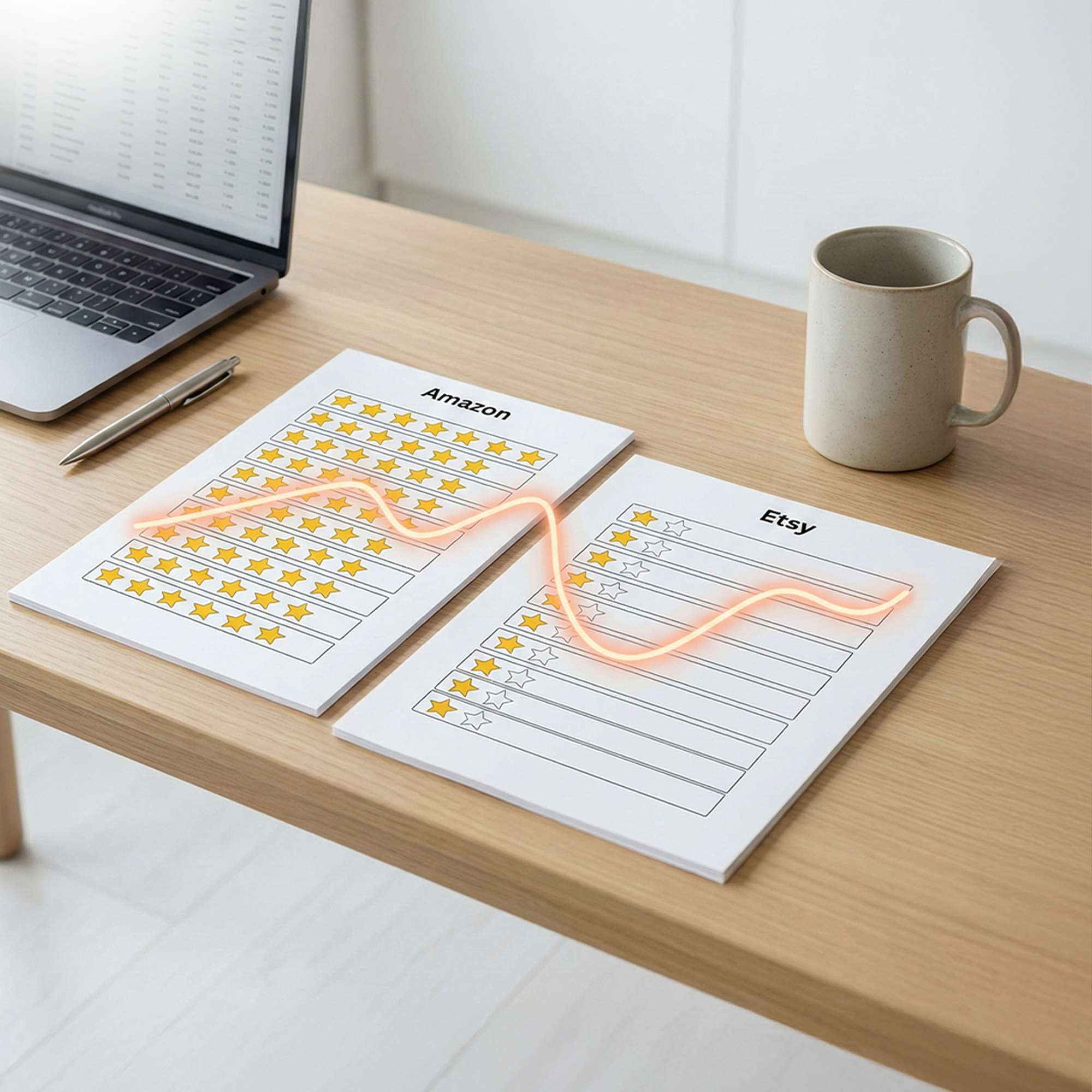
  • Category strength: Handmade, design, gifts, personalized products.
  • Advantage: Low entry barrier, organic visibility.
  • Risk: Limited scale for mass-produced items.
  • Entry difficulty: ★☆☆☆☆
On Etsy, winners are the ones who are different—not just cheaper.
Marketplace comparison is the foundation: volume, competition, and category fit.

8. Quick Comparison: Volume, Competition, and Fit

The most common mistake: assuming “the biggest platform is the best platform.” The truth: the best platform is the one that fits your product.
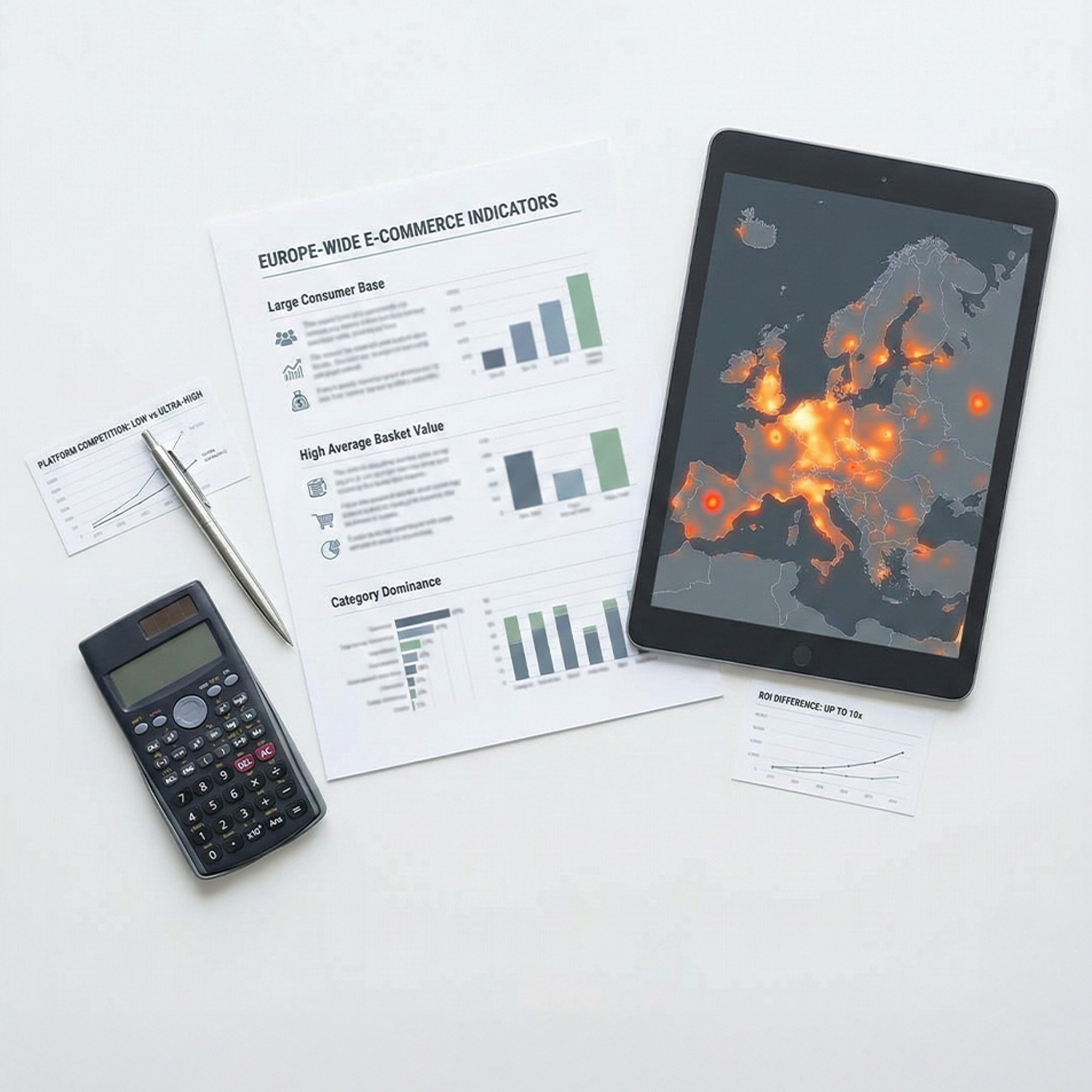
  • Amazon: maximum volume, maximum competition.
  • OTTO/Zalando: more selective, very strong in the right categories.
  • Kaufland/eBay: fast entry, growth with ops and pricing discipline.
  • Etsy: very strong in niche, limited for mass production.
Not “enter everywhere,” but “enter the right place with a solid setup” works.
Entry difficulty is not just the application—it's competition, costs, and sustainability.

9. What Does Entry Difficulty (★★★★★) Mean?

Entry difficulty isn’t just about opening an account. It’s the sum of competitive intensity, ad costs, content standards, and operational expectations.

  • ★★★★★: High competition + high standards + high cost.
  • ★★★☆☆: Selective or category standards exist, but manageable.
  • ★☆☆☆☆: Easy entry; differentiation comes from content and niche.
Easy entry doesn’t mean easy money. It only means lower barriers.
Strategy: platform choice + content standard + operations = profitable growth.

10. Conclusion: Growth in Europe Is Built as a System

Growth in Europe isn’t “luck”—it’s a system. When platform selection, content standards, and operational strength align, results follow.

  • Clarify platform–product fit first.
  • Raise your content standard (visuals + copy) above competitors.
  • Don’t neglect logistics, returns, and customer communication.
The right platform + the right content + strong operations = sustainable profitability.

The Right Platform + The Right Content = Results

Grexon plans end-to-end marketplace selection, content production, and operational structures. Not random—intentional growth.