
The DecoBella Schuhabtropfschale listing is a clear example of how to generate the signals Amazon’s ranking systems (A9/A10) reward — using visual hierarchy, clear value messaging, and risk-reducing content. Below, we break down the image sequence (1–7) and explain how it supports CTR, CVR, return-rate reduction, and use-case expansion.
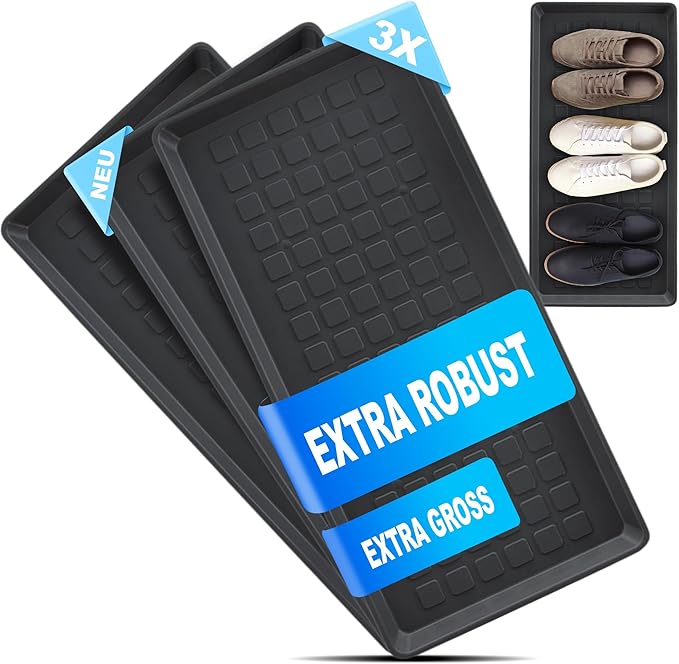
The first job is not to explain every detail — it’s to make shoppers feel this is more than “a plastic tray”. The bundle and robustness cues create immediate perceived value.
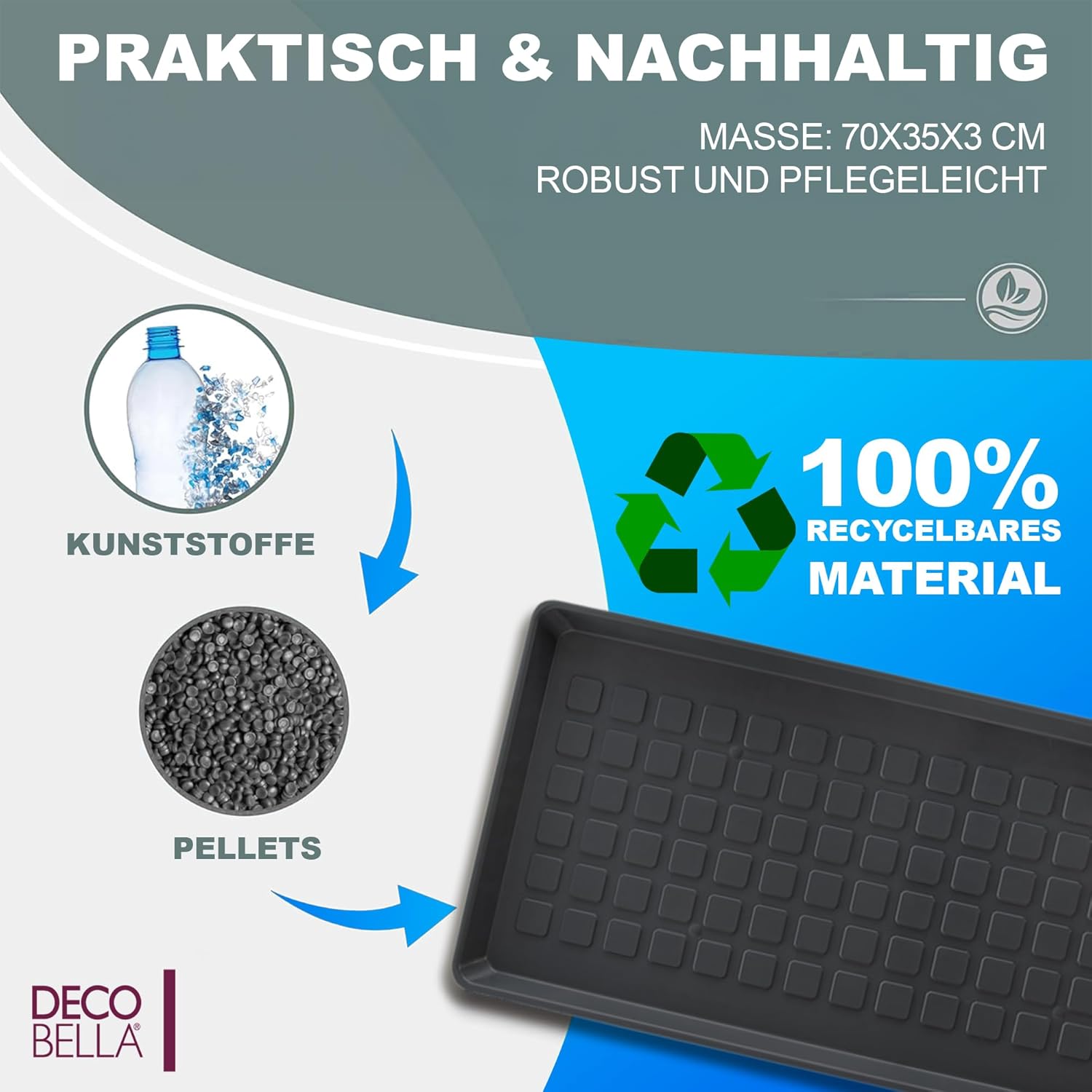
This image adds credibility: clear dimensions, easy maintenance, and a sustainability cue that resonates strongly with DE consumers. It also reinforces size expectations early.
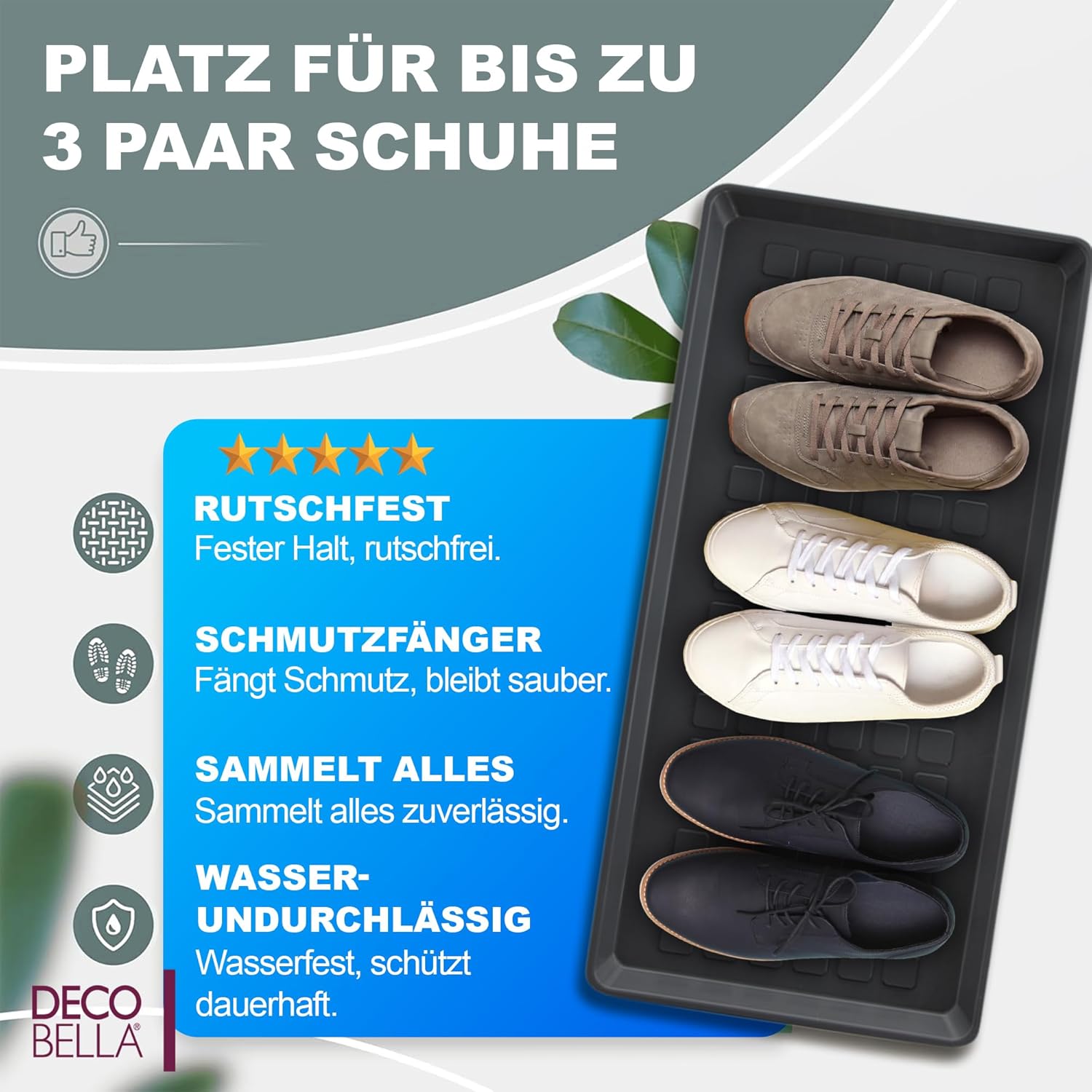
This image is built for decision speed. Amazon shoppers scan. Benefit blocks shorten the evaluation time and turn “maybe” into “add to cart”.
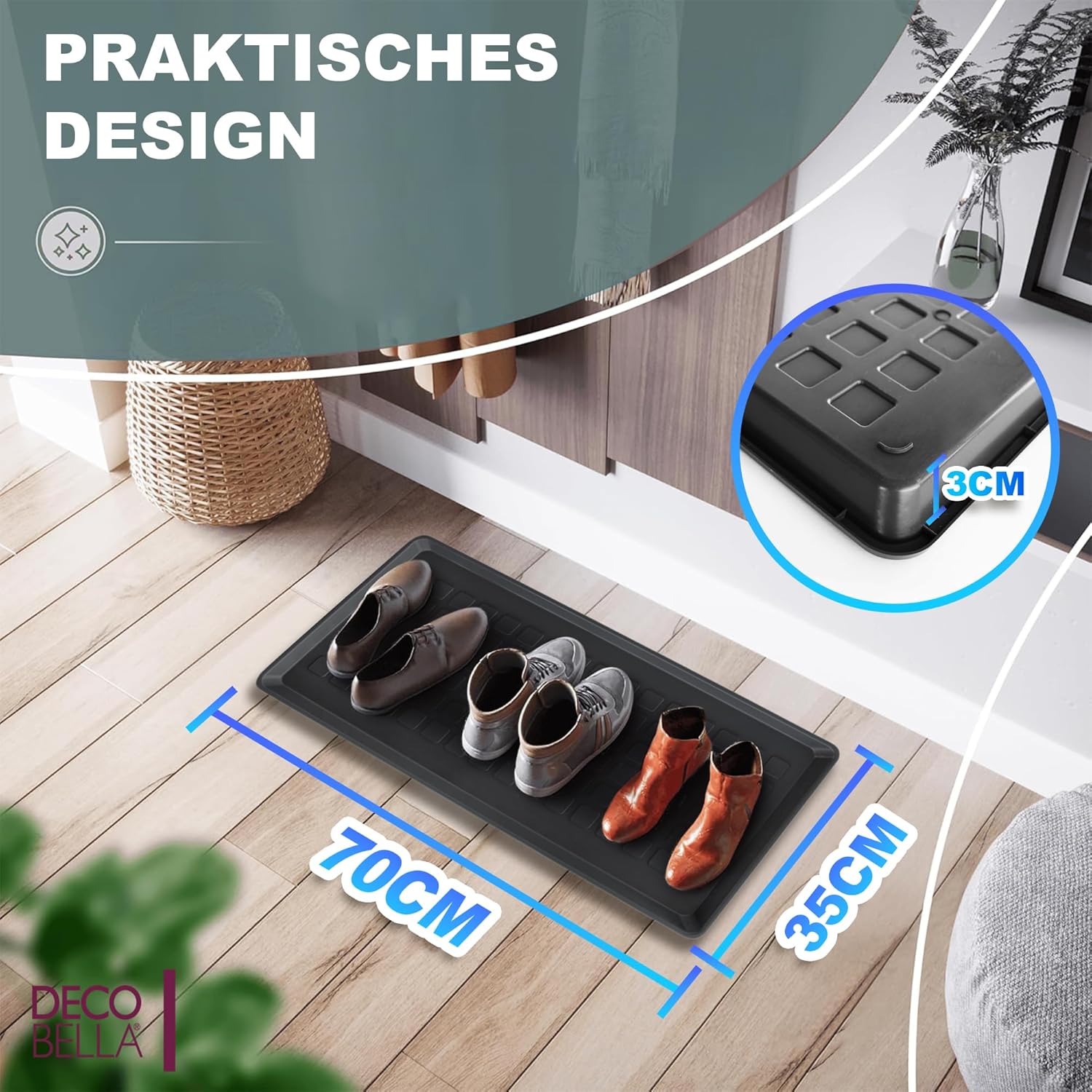
Writing dimensions isn’t enough. Visual sizing is one of the best return-rate reducers — it locks expectations and avoids surprises.
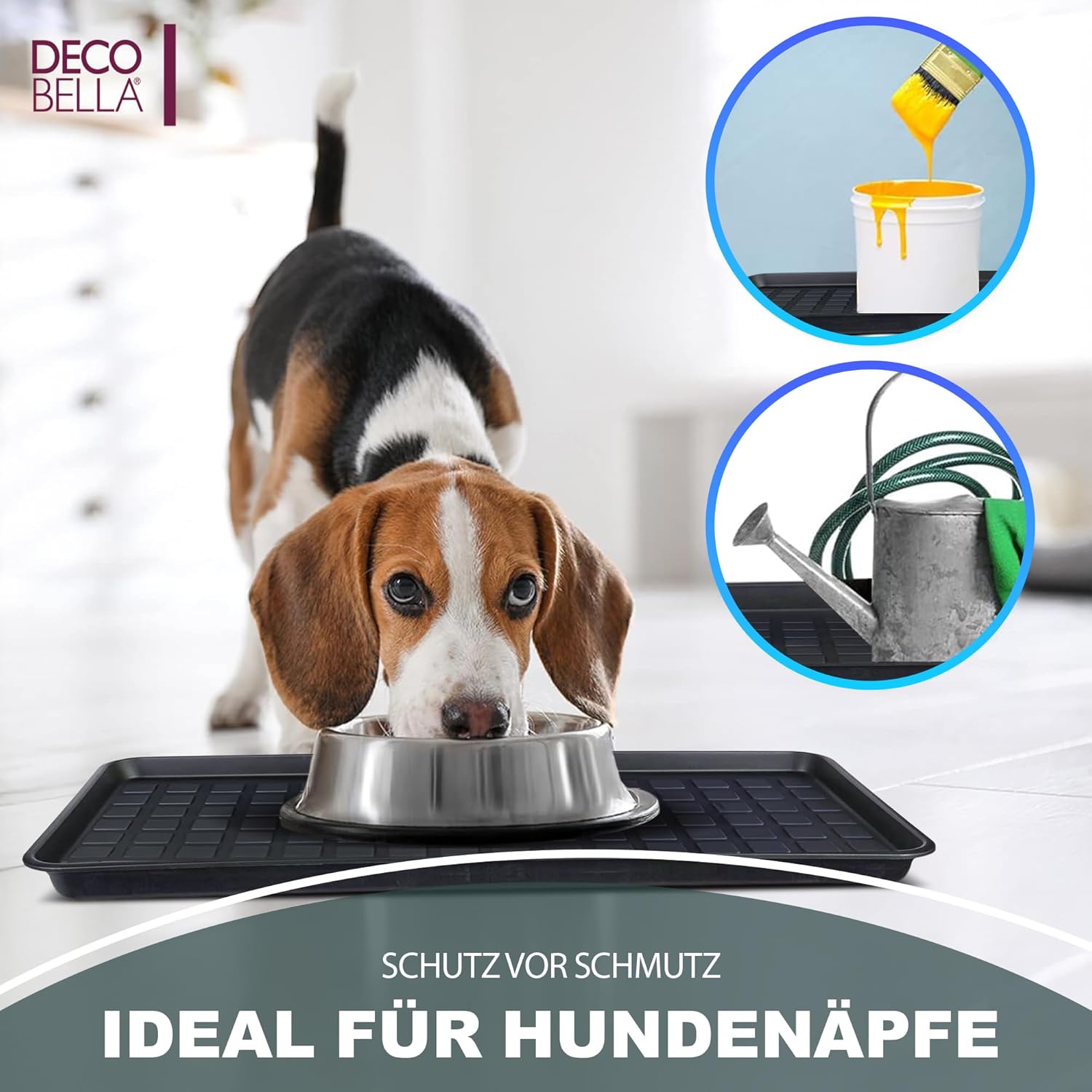
This image moves the item beyond a “shoe tray” and into broader home-organization use cases — capturing more intent types and increasing listing resilience.
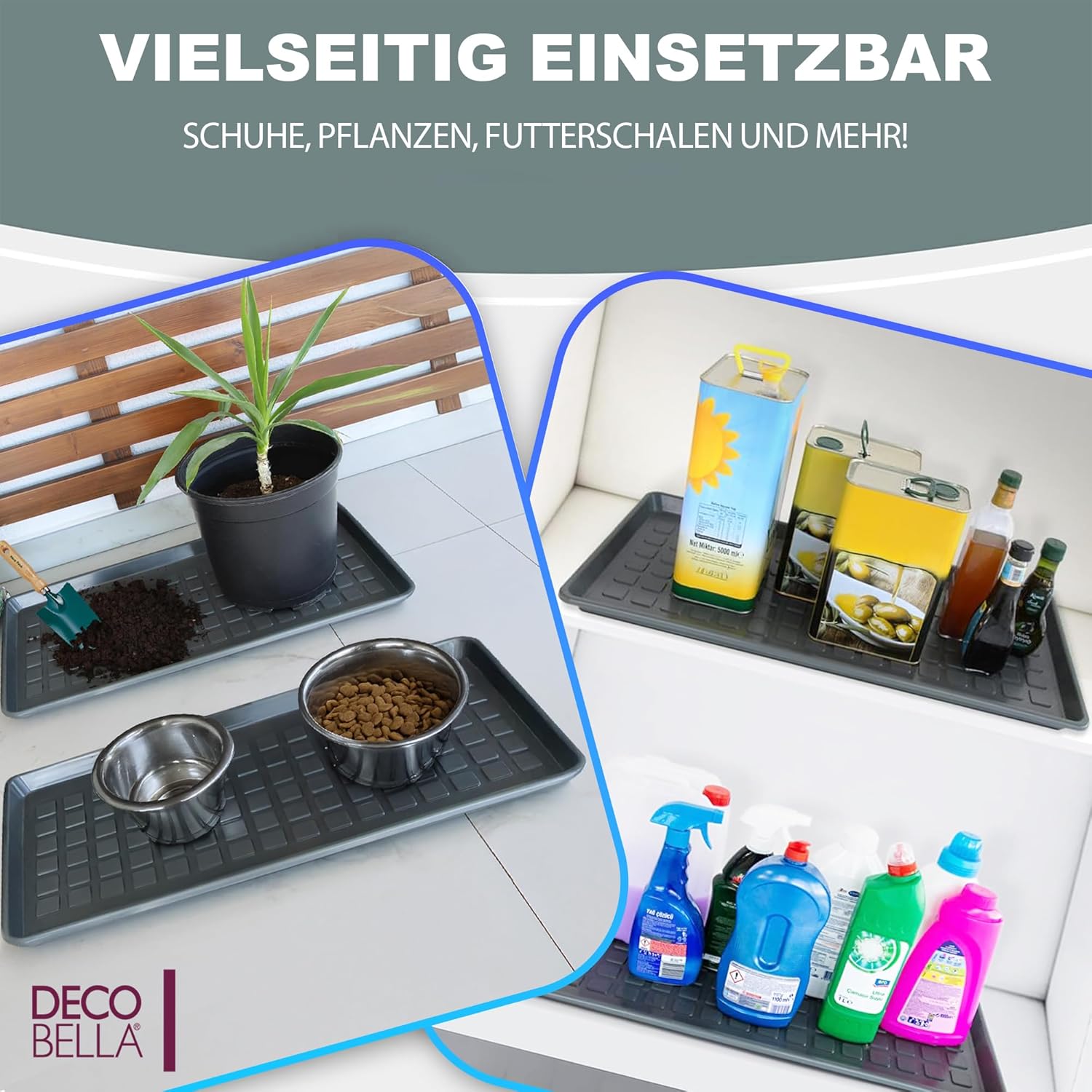
This expands the product into adjacent problems shoppers already have. Same item, more reasons to buy, and more keyword/traffic coverage.
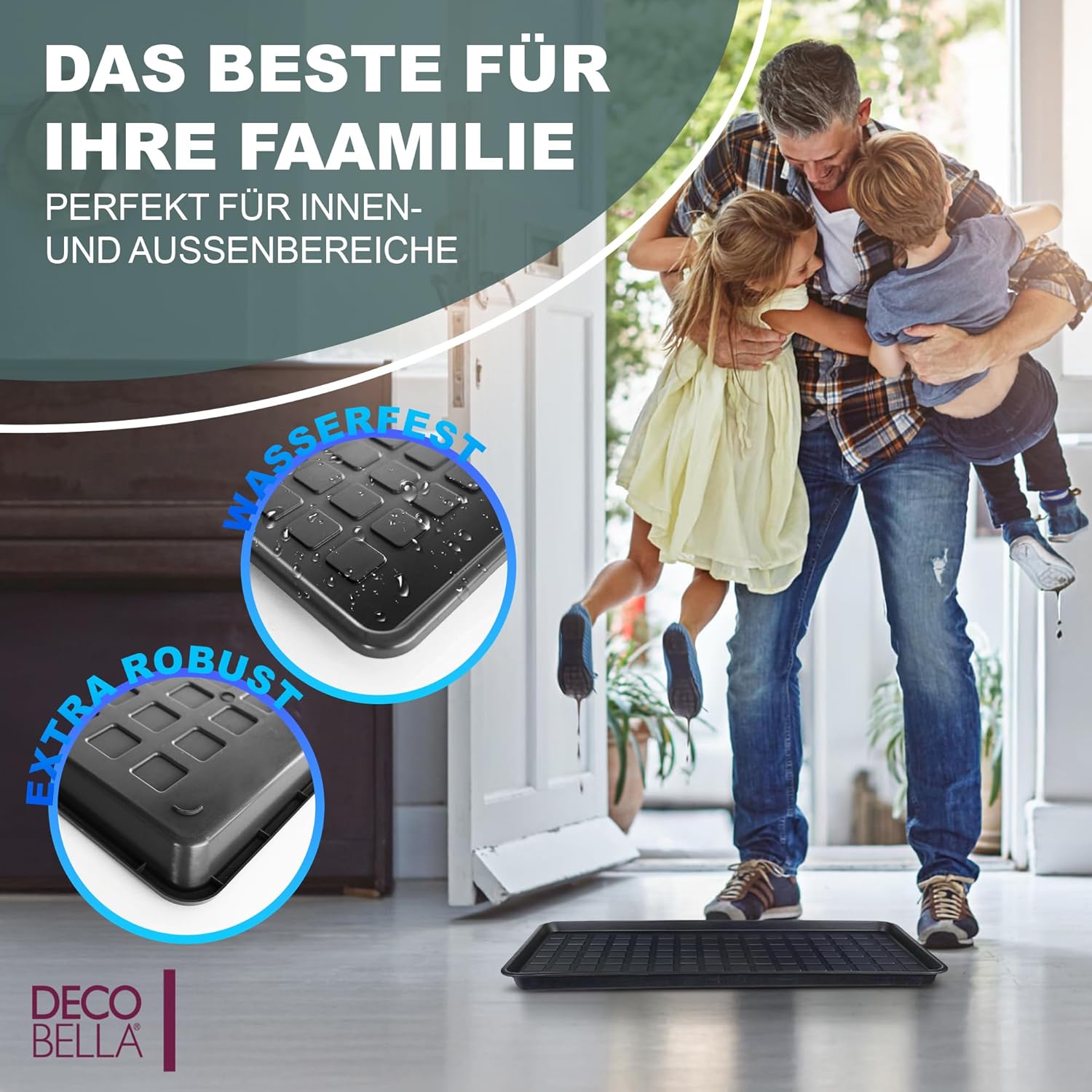
Lifestyle images don’t add specs — they add context. In competitive categories, that context improves both CTR and CVR because the buyer can instantly imagine the product in real life.
This DecoBella example proves a simple point: Amazon bestsellers are built, not discovered. The image sequence first wins the click, then drives fast persuasion, then reduces purchase risk, and finally expands the product’s market through valid use cases. When this system is executed well, Amazon’s algorithm rewards performance.
We design your listing image sequence to increase CTR, improve CVR, reduce returns, and expand valid use cases — aligned with Amazon.de buyer behavior and marketplace rules. The goal is not “nice images”. The goal is measurable performance.