
Selling in Europe isn’t “opening a listing” — it’s a compliance + operations + control system

International Selling on Amazon: A Roadmap for Expanding into Europe

The European market may be large, but it’s unforgiving. The wrong product, missing documentation, or the wrong operating model means account risk, inventory loss, and margin erosion. This guide is for teams that want to enter Europe not with “intent,” but with a system.

The foundation of selling in Europe: product fit + compliance + operations + Amazon strategy.

1️⃣ Selling in Europe ≠ Just Changing the Language

Four pillars — miss one and the system collapses

The biggest mistake: “We’ll list on Amazon.de and the rest will follow.” It won’t. European selling is built on four pillars:

  • Product fit
  • Legal compliance
  • Operational infrastructure
  • Amazon strategy
Critical: If one pillar is missing, it fails at the most expensive point.
First question: Can your product be sold in Europe? (CE, LUCID, WEEE, REACH, EN testing)

2️⃣ The First Question: Is Your Product Fit for Europe?

No wishful thinking — only technical reality

If you can’t answer these clearly, you’re not ready for Europe. “We’ll sort it out later” doesn’t work here.

  • Does it require CE?
  • Is it electronic? → WEEE / EAR is required
  • Does it have packaging? → LUCID is required
  • Any chemical content? → REACH may apply
  • Is it a children’s product? → EN testing is critical
Rule: Compliance is built before the first sale. Fixing it later becomes account risk + cash loss.
EU Authorized Representative: the point of contact in audits, a safety layer in the technical file.

3️⃣ EU Authorized Representative

Not paperwork — operational insurance

If you sell from outside the EU, you need an EU-based structure that can assume responsibility. The authorized representative is the first point of contact during inspections and keeps technical file processes standing.
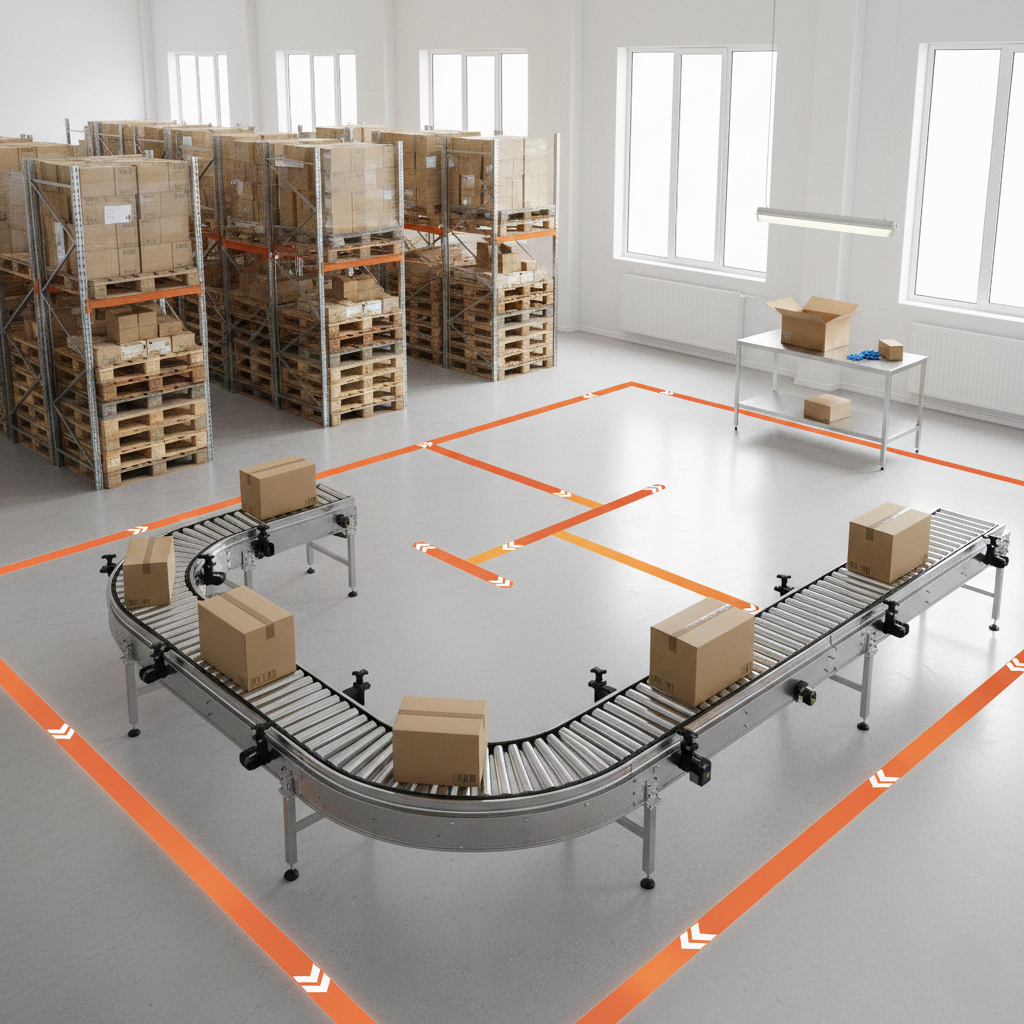
  • Holds and maintains the technical file
  • Is the first point of contact in audits
  • Clarifies the legal responsibility chain
Reality: Without an authorized representative, you’re not buying “sales” — you’re buying risk.
Minimum registrations for Amazon.de: LUCID, WEEE/EAR, VAT, and safety documentation.

4️⃣ Mandatory Registrations for Amazon.de

Missing one = account risk

Starting sales without completing the “minimum” requirements makes your account fragile from day one.

  • LUCID (packaging recycling obligation)
  • WEEE / EAR (electronic waste responsibility)
  • VAT ID (tax compliance and invoicing)
  • Amazon GSB / Safety (Amazon safety validations)
  • CE & Testing (market access compliance)
Note: This list expands by product category. A “one-size-fits-all” approach is wrong.
The wrong operating model kills profit: FBA / 3PL / Hybrid.

5️⃣ Operating Model: FBA, 3PL, or Hybrid?

The wrong choice eats your margin

In Europe, returns are not “shipping.” They’re QC, grading, re-pack, restock, and resale decision workflows.

  • FBA: speed + Prime → returns control is not yours
  • 3PL: flexibility + process control → requires operational discipline
  • Hybrid: balance of speed + control → doesn’t work without a system
Rule: If you don’t have a returns system, growth turns into a cash lock.
Listing is not translation — it’s adaptation. Wrong claims = returns + risk.

6️⃣ Product Page: Not Translation, Adaptation

A German page must be written with a German mindset

A terminology mistake doesn’t only cause returns — it creates legal exposure. On Amazon.de, a wrong claim scales fast.
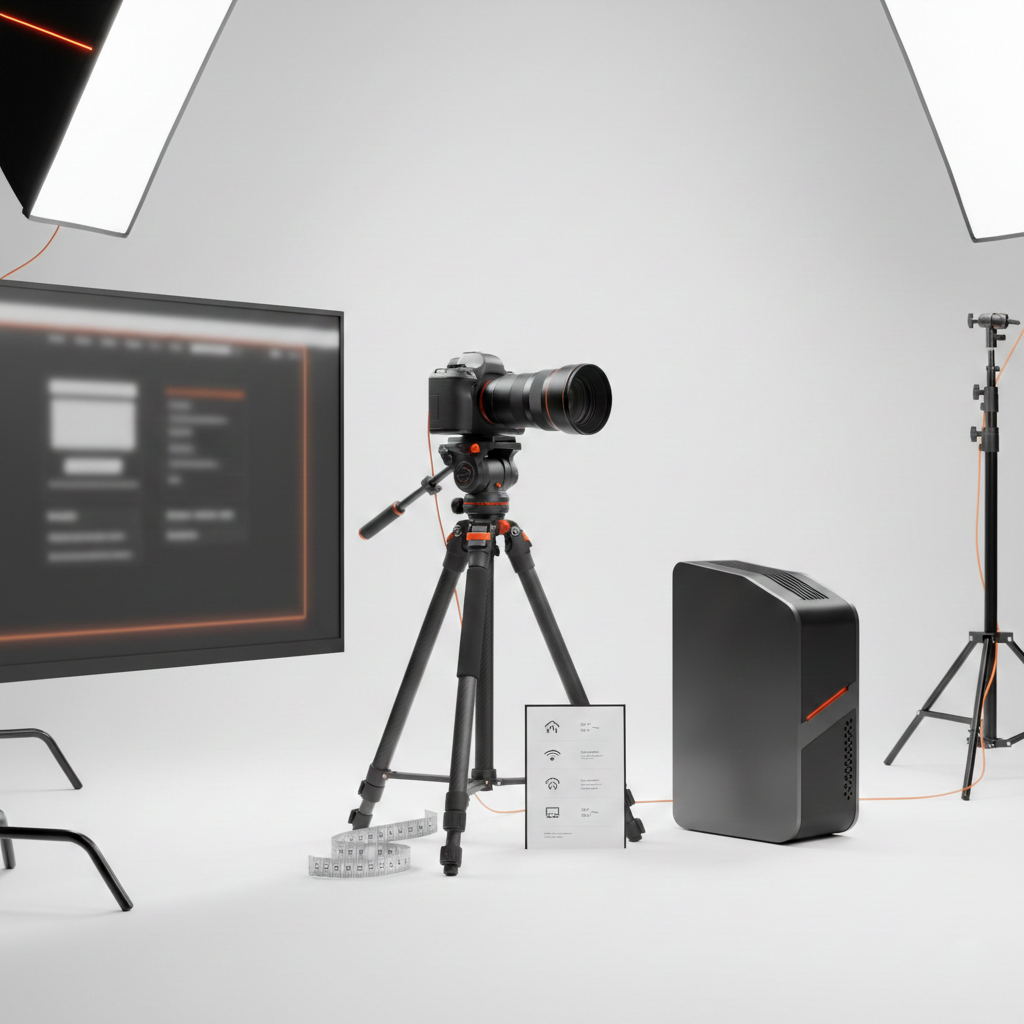
  • Claims about size, power, materials, certificates must be clear and defensible
  • High-risk promises (“100%”, “full protection”, “medical”, etc.) must not be used without control
  • Warranty, returns, and safety notices must be explicit and aligned with local expectations
Clear: Amazon expects “accurate declarations,” not marketing copy.
In Europe, visuals build trust: real photos + 360 + usage scenarios.

7️⃣ Visual Strategy: In Europe, You Sell Trust

Stock visuals = low trust = low conversion

European customers expect clear, real, and consistent visuals. “Amateur renders” reduce conversion.

  • Real product photography (clean, consistent lighting)
  • 360° / close-ups (craftsmanship, materials, connections)
  • Usage scenarios (credible lifestyle)
  • Dimensions + in-the-box + compliance icons (no exaggeration)
Outcome: If trust is missing, even a price advantage won’t save you.
Before you start selling: product, compliance, operations, content, and profitability.

✅ Quick Checklist: Are You Ready for Europe?

If these 10 are not “done,” you don’t start

  • Is product classification clear? (which regulations apply?)
  • Are CE / testing requirements defined?
  • Is LUCID (packaging) ready?
  • Is WEEE/EAR (if applicable) ready?
  • Are VAT and invoicing processes defined?
  • Is the need for an EU Authorized Representative determined?
  • Is the operating model selected? (FBA/3PL/Hybrid)
  • Is a local returns workflow established? (receipt → QC → decision → restock)
  • Is the German listing adapted? (accurate declarations)
  • Is net profit visible in an Excel table?
Simple formula: Net Profit = Price – (Amazon + fulfillment + returns + compliance + operations)

🔗 Conclusion

The European market isn’t just opportunity — it’s responsibility. Enter unprepared and you lose; build a system and you scale. International selling on Amazon isn’t about courage; it’s about compliance + operations + discipline.

Final line: Build Europe not as a “market,” but as a “system.”
Note: This content is for informational purposes and is not legal/tax advice.

Don’t enter Europe blind: move with plan + compliance + operations

Let’s map compliance requirements by product category, select the right operating model, build the returns system, and launch on Amazon.de with the correct content standard. The goal isn’t just to open sales — it’s sustainable growth.